
What To Text After A Crash in California
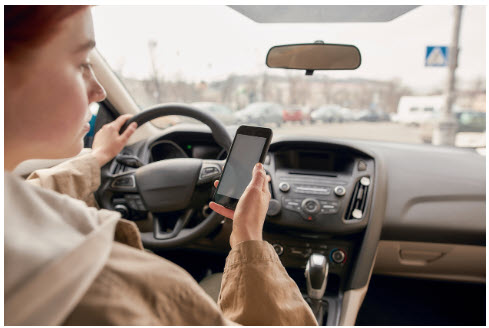
If you’ve just been in a crash in California, believe it or not, what you text right afterward can have a pretty big impact on your medical care, insurance claims, and even legal options down the line. Try to keep your messages short, stick to the facts, and make safety the top priority—say if anyone needs urgent help, drop your exact location, and don’t get into who’s at fault or why it happened. A clear, calm message that reports injuries, your location, and that you’re seeking medical help protects your health and keeps crucial evidence intact.
It’s smart to save the conversation for later and steer clear of details that might assign blame. If you’re not sure what to do legally after the initial texts, reaching out to a local auto accident lawyer—like the folks at the Rosemead office who handle accident cases—can really help with reporting and claims.
What To Text After A Crash in California
Keep it simple: short, factual, and focused on safety, practical help, and a bit of emotional support. First things first—medical needs. Don’t get into who’s responsible or how it happened, and offer specific help like a ride, a meal, or a hand with paperwork if you can.
Checking on Safety and Offering Help
Start by asking about injuries and what they need right now: “Are you hurt? Do you need an ambulance?”
If they mention pain or any symptoms, urge them to get checked out ASAP—call 911 if it’s serious. Getting medical attention right away isn’t just about health; it also documents injuries for claims like pain and suffering.
If they’re okay physically, offer something specific. Try: “I can drive you to urgent care,” “Want me to call your insurer for you?” or “I’ll bring over dinner and hang out while you wait for the tow.”
Only bring up property damage if they do, and suggest they take photos and swap insurance details when it’s safe.
Avoiding Fault and Legal Pitfalls
Use neutral language—don’t admit fault or guess what happened. Something like “I’m sorry this happened” is fine; don’t say “I’m sorry I hit you” or get into the details. Since California is an at-fault state, saying too much too soon can mess with your claims for medical bills or repairs.
Encourage documentation, but keep it neutral: “If you’re able, take some photos of the damage and scene, and jot down what you remember.” Suggest they contact their insurer, and if injuries are serious, talk to a lawyer before giving detailed statements.
Remind them about deadlines: California usually gives you two years from the crash date to file a personal injury lawsuit, so don’t let time slip away if they’re thinking about seeking damages.
Supporting Emotional Recovery
Let them know it’s okay to feel shaken up, and don’t brush it off. Try something like, “That must have been scary—take all the time you need.” It shows you care without making it awkward.
Offer real, ongoing help: “I’ll check in tomorrow afternoon,” or “If you want company for appointments, I’m there.” Encourage them to follow up with a doctor, both for physical stuff and mental health—sometimes anxiety or pain shows up later.
Don’t keep pestering them for updates; instead, make a clear offer: “I’ll call Friday to see how you’re doing unless you want me to check in sooner.”
Key Steps to Take After Texting
Acting quickly protects your health, preserves evidence, and keeps legal options open. Get medical care, report the crash, and start keeping track of damages and losses right away.
Contacting Insurance Companies
Let your insurer know as soon as you can, but don’t give a recorded statement without talking to a lawyer first. Just share the basics: date, time, location, and a brief rundown of what happened. Don’t admit fault or go into detail about injuries—just saying “seeking medical attention” is enough.
Grab the other driver’s insurance info and policy number, and snap photos of their card and badge if possible. When the insurer calls, jot down the adjuster’s name, phone, and claim number. Only send medical bills and repair estimates after checking with a legal pro if injuries are serious.
Hang onto every bit of communication—emails, texts, even snail mail. If the insurer tries to settle fast, think hard about whether it actually covers all your medical bills (now and future), lost earnings, car repairs, and other less obvious harms before you say yes.
When to Consult a Car Accident Lawyer
It’s time to call a car accident lawyer if injuries go beyond first aid, medical bills are piling up, or there’s any question about who’s at fault. A lawyer can help figure out both the money side (medical bills, lost wages, repairs) and the harder-to-measure stuff (pain, lower quality of life).
If the other driver says you’re partly to blame, California’s pure comparative negligence rule means you could get less—so it’s worth having a lawyer look at how fault is split and fight for your fair share. A quick consult can show if it makes sense to file a claim or lawsuit, and a good attorney will handle insurer negotiations and even subpoena phone or device data to prove texting was involved if needed.
Pick someone who handles these cases all the time and offers a free consultation or works on contingency—so you only pay if you get compensated.
Documenting Injuries and Damages
If you’re hurt, don’t wait—get checked out by a doctor right away and hang on to every medical record and bill you get. Those early records? They’re key to tying your injuries back to the crash. And don’t forget the follow-up visits or therapy notes—they help show just how much care you’ve needed and what you might still face down the road.
Snap photos of everything: your injuries, the car, the road, even the traffic lights or signs nearby. It might feel excessive, but you’ll thank yourself later. Hang onto pay stubs or any emails from work that show you missed days or had your hours cut. And yeah, keep receipts for rental cars, prescriptions, or even that gas money you spent driving to appointments.
Try jotting down how you’re feeling each day in a diary—pain levels, what you can’t do, or just how much your life’s been thrown off. It’s not just venting; it can back up your claim for things like pain and suffering. Keep any call logs, texts, or contact info for witnesses, especially if there’s any hint the other driver was distracted (texting, maybe?). If you’re unfamiliar with certain texting abbreviations or digital slang that might show up in messages, reviewing an IMS texting acronym meaning guide can help you better understand what was being said. Honestly, throwing all these files in order by date can save a ton of headaches if you’re filing a claim or working with a car accident attorney later.
