
10 Gaming Words Everyone Uses Online
A large amount of the language found in group chats today was not actually invented in group chats. A significant portion actually comes from video games, specifically firefights in Counter-Strike and guilds in World of Warcraft.
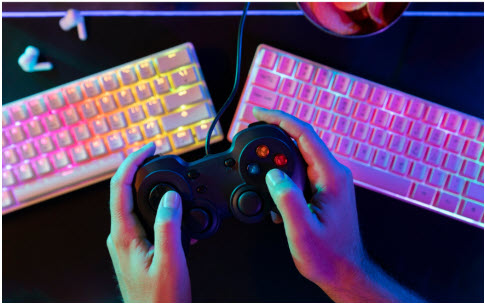
How Gaming Culture Influenced Internet Language
Gaming slang has not been contained within the gamer community for quite some time. The main channels that moved gaming vocabulary into the mainstream:
- Twitch and YouTube.
- Discord servers.
- Twitter and TikTok.
- Esports coverage.
All four channels share one trait – they are text-heavy, fast-paced, and reward brevity. That is exactly the environment where short gaming terms win and stick in people’s vocabulary permanently.
10 Gaming Words That Became Internet Slang
These ten terms originated in gaming culture and are now standard vocabulary in everyday online conversation. This phenomenon also exists in gambling. You can even discover it when reading reviews of casinos that offer 150 free spins. Thematic vocabulary is used everywhere. Let’s look at the most popular expressions below.
GG
GG stands for “good game” – a sign of respect typed at the end of a match. The term came from StarCraft and early FPS multiplayer, where “gg” in chat was basic etiquette. Now it marks the end of anything: “Just finished my last exam. GG.”
Nerf
Nerfing is all about toning down something that’s just too powerful. It’s a concept that originally came out of game developers nerfing weapons or characters that had become too powerful in a patch update. On the internet, it’s come to mean anything that’s been nerfed: “My fav PC is nerf, I'm disappointed.”
Buff
Buff is the opposite of nerf – making something stronger or better. It comes from the same patch note culture where creators adjust game balance. Outside gaming: “New update buffed the camera on this phone.”
Noob
Noob describes a beginner who is clearly out of their depth. The word evolved from “newbie” in late 1990s multiplayer games. It now applies to anyone struggling with something basic: “I am a noob in parking”.
AFK
AFK, away from keyboard, signals that someone is temporarily unavailable. It started in early MMOs and chat rooms, where players needed to let others know they stepped away. “Going AFK for lunch” is now standard in Slack channels.
Grinding
Grinding means doing repetitive work to make progress. RPG players coined it for the loop of repeating tasks to gain experience points or currency. “Grinding through spreadsheets all week” is how it sounds in an office context – any tedious but necessary effort counts.
Respawn
Respawn means coming back after being knocked down or eliminated. Shooter and battle royale games use it when players return to the map after dying. The internet version: “Monday hit hard, but I respawned with coffee.”
Salty
Salty describes someone bitter or upset, usually about losing or being embarrassed. Fighting game communities in the 2000s made the term popular. It is now one of the most common internet slang terms in any context: “Don’t be salty about it.”
NPC
“NPC” is an abbreviation for non-playable character. Non-playable characters in a computer game are the characters that say a predetermined line of dialogue. The term originated in RPG games, but it became a meme on the internet: “Others repeat the same again and again like NPCs.”
Clutch
“Clutch” means delivering a win when the odds are against you and everyone is counting on you. For competitive FPS and esports gaming, clutch has a specific edge; “a clutch play” means winning the round when all hope seems lost.
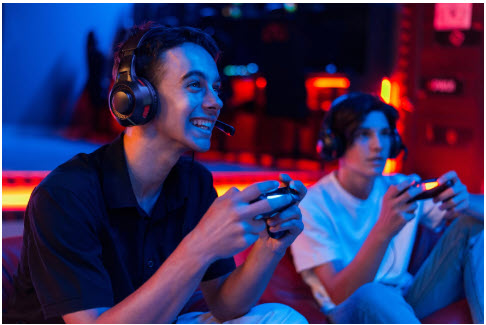
Quick Reference
Here are all ten words in one place, where they originated, and what they mean outside of the game. Some of these words began popping up in StarCraft lobbies in the late 90s. The same trajectory is seen with any slang term in very different subcultures, including casinos. Anytime people type away, abbreviations always seem to dominate. Here are some interesting details in the table:
Across the ten, the common thread is the same: small words with strong meanings that zip by in chats. “Salty” comes from fighting game culture, “grinding” and “NPC” from RPGs, “GG” and “clutch” from esports. Gaming terminology is continuing to seep into everyday language, fueled by massive online communities.
