
Why Your Next Road Trip Needs DC Fast Charging
The road trip has always stood as a symbol of freedom and discovery, an enduring ritual of exploring landscapes, stories, and moments between destinations. As the automobile world transitions toward electric mobility, this cherished experience is being reshaped rather than replaced. Today’s road trips are not just about getting from point A to point B. They are about experiencing the road in a quieter, cleaner, and more efficient way, thanks to the rise of electric vehicles.
The first wave of EV ownership introduced excitement tempered by anxiety. Limited charging points and long waiting times discouraged long-distance travelers who relied on quick fuel stops. That early hesitation is giving way to confidence as technology evolves. Charging infrastructure is expanding, vehicles are traveling farther on a single charge, and drivers are discovering that the electric road trip can be both practical and exhilarating.
At the center of this transformation lies one pivotal innovation: DC fast charging. Unlike earlier charging solutions that required long stops, DC fast chargers reduce waiting time dramatically, often replenishing a battery to 80 percent in less than half an hour. This technology doesn’t just change how EVs are charged; it changes how people think about mobility, turning what was once a compromise into a modern convenience.
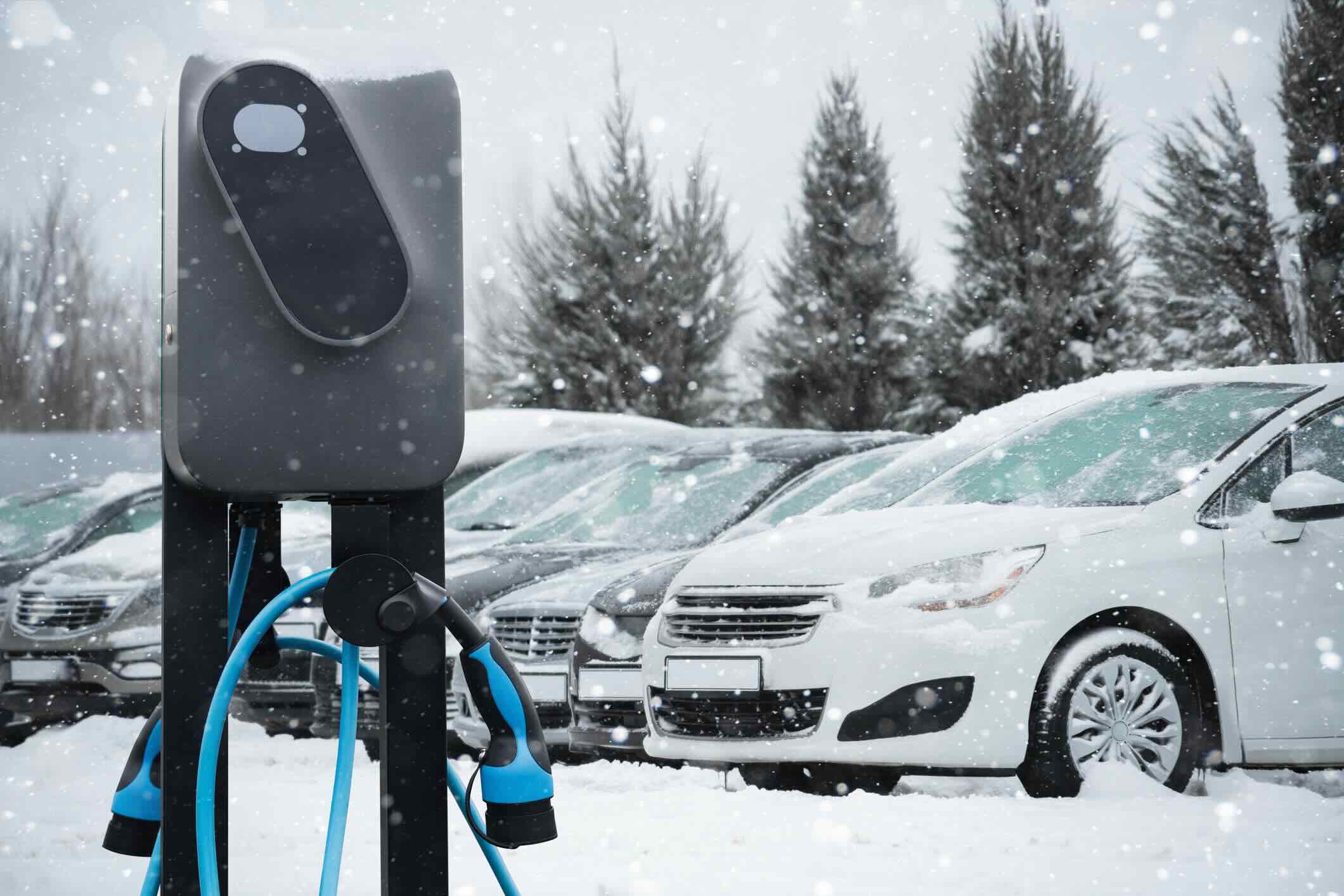
Understanding the Power Behind DC Fast Charging
To appreciate the impact of DC fast charging, one must understand what sets it apart from conventional systems. Level 1 and Level 2 chargers deliver alternating current (AC), which the vehicle’s onboard converter must transform into direct current (DC) before it can reach the battery. This process limits charging speed. In contrast, DC fast chargers supply electricity directly in its usable form, bypassing the onboard converter entirely. This direct feed allows much higher power levels and faster recharging times.
Speed is only one part of the equation. DC fast charging fundamentally alters the rhythm of travel. A short stop for coffee or a meal now doubles as a full recharge, bringing the EV experience closer to the traditional fuel stop model that drivers have relied on for decades. For long-distance travelers, this reduction in downtime makes all the difference, turning previously challenging routes into seamless journeys.
This technological advancement is enabling the new era of electric exploration. Families planning cross-country vacations, professionals covering regional routes, and adventure seekers driving across national parks can now travel without compromise. The shift from hours to minutes in charging time makes it clear that EVs are not just an eco-conscious choice, they are a practical one, too.
Building the Backbone of Electric Travel
While electric vehicles capture much of the spotlight, it is the charging infrastructure that quietly enables their success. No matter how advanced an EV may be, its true potential depends on the strength of the network that supports it. The widespread adoption of electric mobility requires dependable and intelligently distributed charging systems strategically placed along highways, urban centers, and rural routes. As more drivers embrace the shift to electric travel, the focus has moved from whether long-distance EV trips are possible to how they can be made effortless and efficient.
The expansion of this infrastructure is not simply about installing more chargers. It involves engineering networks that can deliver consistent power under heavy usage, integrate with the grid, and evolve as battery technologies advance. Modern charging systems are being designed to handle variable loads, manage renewable energy inputs, and optimize power distribution in real time. These advancements are laying the groundwork for an ecosystem that supports both personal and commercial travel on a massive scale, transforming the reliability and accessibility of electric mobility.
It is within this growing landscape that companies such as ChargeTronix are helping redefine what fast-charging infrastructure can achieve. Advanced systems like the Apex DC Fast Chargers reflect how modular design, intelligent power distribution, and adaptive configurations are setting new standards for reliability and scalability. By enabling multiple dispensers to draw from shared power cabinets and integrating smart payment and load management technologies, these new-generation systems show how engineering progress is closing the gap between convenience and sustainability for long-distance EV travel.
The Economics of Charging on the Road
One of the most persistent myths about electric vehicles is that recharging on the road costs more than refueling with gasoline. In reality, the opposite is increasingly true. While DC fast charging is priced higher per kilowatt-hour than residential charging, it remains substantially cheaper than a comparable tank of fuel. The difference becomes more striking when maintenance and operational costs are factored in, since EVs require fewer mechanical components and less frequent servicing.
Beyond direct savings, DC fast charging carries economic benefits that extend to time and convenience. Every minute spent waiting represents potential productivity lost, whether for businesses managing fleets or individuals managing busy travel schedules. By reducing charge times from hours to minutes, fast chargers unlock a new level of efficiency that translates directly into value for both consumers and enterprises.
Government incentives and energy credits further enhance the financial appeal of adopting electric travel. Many regions are offering grants and tax rebates for charging infrastructure, helping to accelerate deployment while lowering entry barriers for private operators. Over time, the growing scale of the charging network will continue to reduce costs, creating a self-reinforcing cycle of affordability and adoption.
Sustainability Beyond the Plug
Electric vehicles have always carried the promise of environmental progress, but real sustainability extends beyond zero tailpipe emissions. DC fast charging contributes to that broader vision by integrating with renewable energy systems and grid management technologies. Many modern charging networks now synchronize with solar or wind generation, drawing power during peak production periods to minimize carbon intensity and maximize efficiency.
This synergy between clean energy and mobility represents one of the most important shifts in transportation history. As charging stations evolve, they are being equipped with intelligent systems that communicate with local grids, adjusting energy flows based on supply and demand. This adaptability reduces strain on infrastructure while promoting the use of renewable power, making every charge cleaner than the last.
Equally vital is the focus on the sustainability of the charging systems themselves. Modular and recyclable components are becoming standard practice, reducing waste and extending product lifecycles. The goal is not only to electrify vehicles but also to ensure that the systems supporting them are built with longevity, environmental integrity, and future scalability in mind.
How DC Fast Charging Changes the Travel Experience
Few technological changes have such an immediate and visible effect on human behavior as fast charging. The availability of high-speed chargers transforms the experience of road travel from a logistical puzzle into an effortless routine. Where EV owners once mapped routes obsessively to locate compatible plugs, they can now plan journeys with the same spontaneity as drivers of gasoline vehicles. The worry of being stranded with low charge is giving way to confidence and curiosity.
This reliability opens new opportunities for travelers to rediscover the joy of the journey itself. Charging stations are increasingly placed near amenities, from local cafés to scenic rest stops. These destinations encourage engagement with local communities and small businesses, enriching the travel experience while supporting regional economies. Every charge becomes not just a pause, but a moment to explore.
Psychologically, this new normal marks a turning point in electric adoption. The perception of EVs as restrictive or inconvenient is fading quickly. As networks expand and technology advances, the fast-charging experience becomes part of the journey rather than an interruption. Drivers are learning that sustainability and convenience can coexist without compromise.
Looking Ahead: The Future of Electric Road Travel
The evolution of fast charging is still in its early chapters. Advances in charger capacity and vehicle battery technology continue to push boundaries. Next-generation systems capable of delivering up to 350 kilowatts and beyond are entering the market, bringing charge times closer to those of a traditional fuel stop. These improvements will redefine what it means to travel long distances in an electric vehicle.
Artificial intelligence and data analytics are also shaping the next phase of the charging ecosystem. Predictive maintenance, load balancing, and smart scheduling will make networks more efficient and reliable. Drivers can expect systems that guide them to the nearest available charger, optimize route planning, and even suggest ideal stopping points based on real-time grid conditions. The result will be a seamless and intelligent infrastructure that feels invisible to the user yet indispensable to the journey.
The future of road travel remains one of exploration, freedom, and connection. What changes is the energy that drives it. The hum of an electric motor, the clean pulse of renewable power, and the rapid convenience of DC fast charging are together creating a new era of mobility. The open road still calls; only now, it speaks in the quiet and confident language of electrons.
