
Why What's Inside a Truck Can Be More Dangerous Than the Truck Itself
Most people sharing the highway with an 18-wheeler focus on its size. The towering trailer, the long stopping distance, and the sheer weight are hard to ignore. Yet the trailer's contents often go unnoticed, even though they can matter just as much.
Cargo affects nearly everything about how a truck behaves. A trailer full of loose freight handles differently than one carrying steel, and a tanker of chemicals presents risks a load of paper towels never would. What's inside can shape how a crash unfolds.
That's why cargo truck accidents can involve serious dangers that extend well beyond the vehicle itself. Shifting loads, falling freight, and hazardous materials can turn a single collision into a much larger and more dangerous emergency for everyone nearby.
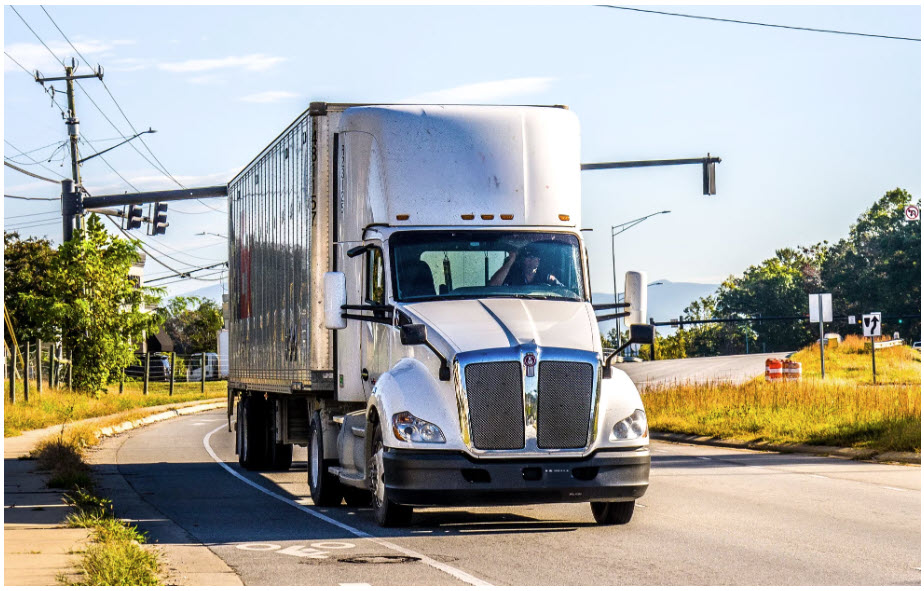
What Happens When Thousands of Pounds of Cargo Suddenly Shift?
Physics doesn't take a day off. When a truck brakes, turns, or swerves, the cargo inside wants to keep moving in its original direction. If it isn't properly secured, it can slide, tip, or slam into the trailer walls.
That movement changes the truck's center of gravity, sometimes in an instant. A load that shifts to one side during a turn can push the trailer past its tipping point, leading to a rollover that a driver may have no time to prevent.
Unevenly distributed cargo creates problems even before anything moves. Too much weight in one area can affect steering, braking, and traction, making the truck harder to control in emergencies or on curves and highway ramps. Even a few feet of difference in placement can matter.
Why Some Types of Freight Create Unique Hazards
Oversized machinery can be extremely heavy and awkwardly shaped, often requiring specialized trailers, permits, and securement. Steel coils are compact but incredibly dense, and if one breaks loose, it can roll or crash through the front of a trailer.
Lumber and other long materials can shift lengthwise or spill across lanes if straps fail. Loose loads like gravel or debris can fly from uncovered trailers, striking windshields and creating sudden hazards for drivers following behind. Covering loads is a simple fix that prevents a lot of damage.
Hazardous chemicals raise the stakes further. Spills can cause fires, toxic exposure, or environmental damage, and emergency responders may need to close roads and evacuate nearby areas. These loads require specialized handling, placarding, and training under federal rules.
The Rules That Are Supposed to Keep Cargo in Place
Federal regulations set detailed cargo securement requirements for commercial trucks. They cover tiedowns, blocking, bracing, and the strength of securement devices, with specific rules for commodities like logs, metal coils, heavy machinery, and concrete pipe. Each rule targets a specific way loads tend to fail.
Drivers also have inspection duties. They're generally required to check cargo and securement before a trip and again shortly after starting, then periodically during the trip. These checks help catch loosening straps or shifting loads before they cause trouble.
Weight limits play a role too. Federal rules generally cap gross weight at 80,000 pounds on interstate highways, with limits on individual axles. Overloaded trucks can strain brakes, tires, and suspension, increasing the risk of a crash.
Who Is Responsible When a Dangerous Load Causes a Crash?
Responsibility can extend well beyond the person driving. A driver may be accountable for failing to inspect or secure cargo, but other parties often handle freight before it ever reaches the highway. Several hands typically touch a load before departure.
Trucking companies may be responsible for training, equipment, and policies. Cargo loaders and shippers may have loaded freight improperly or failed to disclose hazards. Equipment providers could be involved if defective straps, chains, or trailers contributed to the failure.
Determining responsibility depends on the specific facts, contracts, and records involved. Bills of lading, loading records, inspection reports, and photos can all help reveal what went wrong. A qualified attorney can help explain how responsibility may be allocated.
Conclusion
A truck's cargo can shape everything from how it handles curves to how severe a crash becomes. Shifting loads, dense materials, oversized freight, and hazardous chemicals all create risks that go far beyond the vehicle's size. Many of those risks are invisible from the outside.
Federal rules for securement, inspections, and weight limits exist to keep loads stable and roads safer. When those rules are ignored or applied carelessly, the consequences can be catastrophic for drivers and everyone around them. Shortcuts in loading rarely stay hidden for long.
Truck safety truly starts long before the engine turns on. Proper loading, secure tiedowns, thorough inspections, and careful compliance with safety regulations help prevent cargo-related collisions and keep highways safer for everyone traveling them.
