
Why Player Props Need More Information Than Match Winner Markets
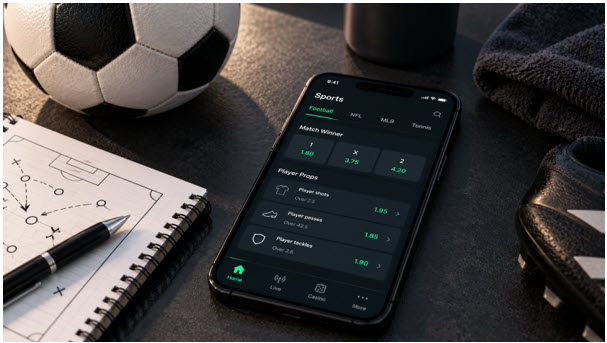
A match-winner price can survive a late change on the teamsheet. A player prop often cannot.
If a favourite keeps roughly the same structure, the 1X2 may only drift after one starter drops out. But if the striker you backed for shots is suddenly on the bench, the original shots line is a different bet.
That difference matters when comparing markets through vip pari, where NFL receptions, MLB strikeouts, football shots and tackles can sit beside a simple match-winner price but require much more specific information.
The 1X2 asks which team wins. A player prop asks what one person will actually be allowed to do.
Match Prices Describe Teams, Props Describe Roles
Match winner, handicap and total markets price the game as a whole: 90 minutes in football or roughly 60 minutes of game time in American football. They account for team strength, home advantage, rest and likely match shape.
A player market is different. Minutes, position and usage are central.
A No. 9 who starts has one path to shots and an anytime goal. The same player arriving from the bench has another.
An NFL running back listed as the starter has a rushing-attempts line built around expected carries. Put him into a committee and that assumption changes. An MLB starter’s strikeout total assumes he stays in long enough to reach the number. A bullpen game resets that calculation.
The team can still perform as expected while the player never gets the role his prop assumed.
Four Things Need to Be Clear First
Football teamsheets normally arrive about one hour before kick-off, while NFL inactive lists come closer to game time. Before that, a player price is still partly a role projection.
Four checks matter most:
- Is the player starting in the expected position? Playing on the left wing is different from moving to No. 10 or starting on the bench.
- How many minutes are realistic? A full 90 minutes is one market. A 60-minute cap after an international break is another.
- What does the opponent change? A receiver’s catches line depends on coverage and target share. A striker’s shots line depends on the opposing defensive line.
- Is the market still pricing last week’s role? A player used high up the pitch on Saturday may have a deeper job on Wednesday.
Match markets can absorb some of that as noise. Player props cannot because the unit being priced is one person’s involvement.
Why Books Are More Cautious With Props
A 1X2 market is usually liquid early. Money comes from accumulators, casual bettors and models that mainly need the final result.
Player markets are thinner. Limits can be lower, and one piece of news can change the setup.
A calf issue in the warm-up, a late scratch or a changed pitcher can make the old number useless. That is why many props move sharply after line-ups are confirmed.
Related markets should move together. If a striker is left out, first scorer, anytime scorer and shots should all react. The same applies in the NFL: receptions, receiving yards and longest-reception prices belong to the same cluster.
Live Props Add Another Layer
Once play begins, role can change again.
After the first goal, one football team may push higher while the other protects a lead. In American football, a side chasing the score may throw more, while a team ahead can shift toward the run.
The match-winner price rebuilds from score and clock. The player prop also rebuilds from usage.
That is why checking updated markets through vippari mobil indir can matter more for player lines than for a simple match result. A prop posted before kick-off may no longer fit the role being used ten minutes later.
Shots, carries, targets and attempts all depend on what the player is now being asked to do.
The Match Market Is Context, Not a Shortcut
A short-priced home favourite can still produce a poor shots or tackles prop if the player is rotated. The reverse is also possible. An underdog midfielder may stay on for 90 minutes and still offer a clearer player market than the team price suggests.
The order is simple: read the match, then the role.
Match-winner markets need a view of the teams. Player props need that view plus a name, position, expected minutes and matchup.
Until those pieces are known, a prop is not a sharper version of the 1X2. It is a different bet waiting on better information.
