When Language Goes Digital: How the Internet Is Rewriting the Way We Communicate
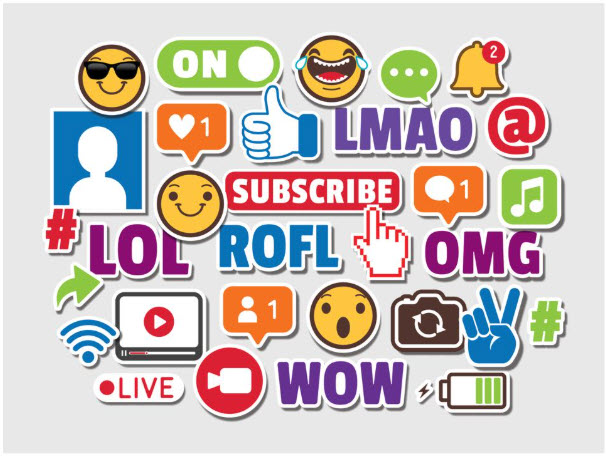
Language always changes with time. But when the internet came, it changed very fast — faster than anything before. It’s not only words that changed. The whole way we express ideas has shifted. Emojis, memes, GIFs, even abbreviations — all these became new tools to show feelings, humor, and thoughts.
In this article, we explore how digital life rewrites language rules, helps shape identity, and connects people with shared online habits.
From Words to Symbols — The Rise of Visual Language
Before smartphones and apps, language was mostly speaking or writing. But now, pictures and symbols speak louder. One emoji or meme can say more than many sentences.
Emojis and GIFs Add Emotion to Text
Sometimes, text alone feels too dry. You send “thank you,” and it may look cold. But “thank you 😊” feels more warm. Emoji add a feeling that is hard to show with just words.
GIFs go one step more — a short moving image shows humor, joy, or frustration in just a second. It’s not explaining — it’s showing emotion in a way everyone understands fast.
Visuals Cross Language Barriers
The power of visuals is that they don’t need translation. A red heart ❤️ means love. A thumbs up 👍 means approval. A laughing emoji 😂 means something is funny — this is clear in any culture. This kind of language is fast, friendly, and equal. In the digital world, visuals are becoming a new kind of grammar.
Young People Use Images Like Words
For younger generations, images often are the language. Stickers, emojis, memes — they don’t just decorate the message, they are the message. A single picture can say what a full paragraph would.
The Era of Internet Acronyms and Inside Jokes
Online talk has its own language now. It's short, fun, and full of shared meanings. Abbreviations, slang, and fast typing made this happen.
Acronyms Are Common Language Now
At first, acronyms were just to save time while typing. But now they’re part of daily life — in chats, posts, even marketing.
- LOL – laugh out loud
- BRB – be right back
- TBH – to be honest
- FOMO – fear of missing out
These became part of how people speak online, showing how culture shifts even in small words.
Slang Online Changes All the Time
Internet slang is not fixed. A new word becomes popular today, and gone tomorrow. “Sus,” “vibe,” “stan” — all these came from online spaces, and now are used every day. It shows how flexible and fast digital speech can be.
Humor and Speed Matter Most
Online chats move quickly. Spelling? Grammar? Sometimes skipped. People want to sound real, not perfect. What matters more is that the message feels natural, funny, or emotional.
How Online Language Builds Identity
Every post, caption, or emoji shows something about who we are. Online writing is not just what we say — it's how we say it.
Writing Style Becomes Personal Style
The way someone writes online can say a lot:
- all lowercase? maybe calm or relaxed
- ALL CAPS? loud or very excited
- many emojis and “!!”? friendly, warm
Online space gives freedom. You choose your tone, your rhythm. Language becomes part of identity.
Creators and Brands Use Digital Voice Too
It’s not only personal — brands and creators use online language to build trust. Funny posts, honest captions, simple words — this helps them connect with followers. A strong “digital voice” makes people remember and feel closer.
Tools That Help Keep Online Communication Real
When creators talk to fans across many platforms, keeping the same voice is hard. That’s why tools like OnlyMonster become useful.
OnlyMonster is a CRM and download-style browser built for creators and fan-based work. It helps:
- Track messages across platforms
- Manage fan replies and engagement
- Keep the same tone, even with different tools
- Build strong, human connections
Instead of guessing what to say next, creators use this to stay real — and still grow.
When Global Culture Meets Local Language
The internet connects people everywhere. And because of that, languages mix more than ever before.
Language Blends in Daily Use
Online, people write in English mixed with local words or slang. You might see:
- “LOL yaar” (English + Hindi)
- “Merci bro” (French + English)
- “That’s so kawaii” (English + Japanese)
It shows how people make global expressions with local feelings. Internet language becomes a kind of cultural remix.
Memes Say More Than Text
Memes speak fast. One funny image can explain feelings, stories, or moods — without a single word. People share memes across countries, languages, and groups. Humor connects fast, even when words don’t.
Translation Still Misses the Meaning
Even with AI tools improving, online language is tricky. “I’m dead” online doesn’t mean sad — it means “this is hilarious.” Translation tools often don’t understand irony, slang, or inside jokes. These meanings need context, which only humans fully get.
The Future of Digital Expression
Technology is not only changing how we talk — but also how we talk to machines. Now we chat with Siri or Alexa. Soon, your apps might adjust tone to match your personality.
Talking to Machines Is Normal Now
Asking your phone for help used to feel strange. Now it’s part of daily life. People speak to devices with real sentences — more relaxed and human-like than before.
AI That Adapts to Your Style
Soon, messages might change based on how you talk. If you like short, fun replies — apps will do that. If you prefer serious answers — they’ll adjust. This kind of personal tone makes things easier, but also raises the question: how much should machines sound like us?
Will Shortcuts Replace Deep Talk?
Some worry emojis and short texts make language too simple. But others say it adds more color. A meme or GIF can say what a whole paragraph can’t. Digital language is fast — yes — but also creative.
People mix visuals, tone, humor, and words. It’s not less meaningful — it’s new meaning.
The Human Side of Digital Talk
Even if machines get smarter, people still want a feeling in conversation. We want a tone. We want humor. We want warmth. Machines may learn our words — but not the soul behind them.
Conclusion
The internet didn’t ruin language — it made it richer, quicker, and more alive. Emojis, memes, acronyms — all of these are proof that we still want to connect. We just do it differently now.
And as this language keeps growing, tools matter. Dedicated platforms help creators and brands keep their message honest, their tone consistent, and their audience close.
The next generation of language is not written in grammar books. It’s written online — one post, one emoji, and one shared joke at a time.
