
How Bonus Systems Reflect Broader Patterns of Human Behaviour
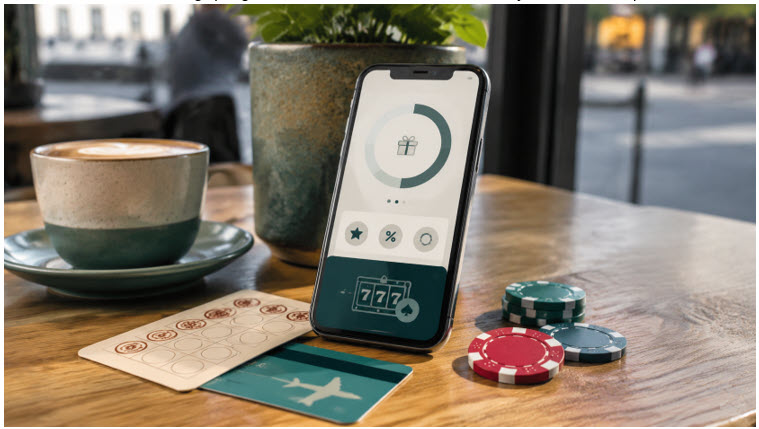

A free coffee, a handful of airline points and 20 complimentary spins have little in common on paper. Yet each reward has to catch attention, feel achievable and make its conditions clear. Its face value is only part of the appeal.
Bonus systems draw on familiar behaviour: immediate rewards feel more tangible than distant ones, visible progress encourages completion, and crowded choices become easier when they are organised properly. These patterns appear across retail, travel, mobile apps, gaming and online casinos.
Rewards Need a Clear Point
A reward makes more sense when its purpose is obvious. Woolworths Everyday Rewards converts shopping activity into points, while Qantas Frequent Flyer connects eligible flights and partner purchases with future travel benefits. Each program tells members what the reward is for and how it can be used.
Casino bonuses require equally clear framing. The guides at online casino Australia organise casino offers by type and operator, making it possible to browse bonuses that suit different preferences. The site explains the available selections; the casino itself sets the eligibility rules and applies the chosen offer.
A vague promise of “extra value” carries little weight. Twenty free spins on a named game, a A$10 supermarket voucher or 1,000 airline points creates a far more recognisable proposition.
Immediate Value Attracts Attention
People tend to give greater weight to a reward available now than one promised months later. Behavioural economists describe this as present bias. It helps explain why an instant A$5 discount can feel more appealing than a larger benefit requiring a long series of purchases.
Retail apps put the reduced price directly into the basket. Mobile games award coins as soon as a task ends. Cafés stamp a loyalty card at the counter rather than sending an annual statement.
A no deposit bonus follows this preference for an immediate, defined benefit. It can allocate free spins or promotional credit without first requiring a qualifying deposit. The offer still carries rules, although the initial value is easy to recognise.
Visible Progress Encourages Completion
Progress becomes more motivating once a goal appears partly complete. Researchers Joseph Nunes and Xavier Drèze demonstrated this in a car-wash loyalty experiment. Customers needed eight purchases in both versions, but one group received a ten-space card with two spaces already stamped.
Among those given the apparent head start, 34% completed the card, compared with 19% of customers starting with an empty eight-space card. The study, published in the Journal of Consumer Research, called this the endowed progress effect.
Modern interfaces turn that effect into progress bars, point counters and status rings. At a no deposit bonus casino, the useful equivalent might be a display showing 17 of 25 free spins remaining. It makes the active benefit easier to follow without altering its original value.
Too Much Choice Needs Organisation
A large reward catalogue sounds generous until every option arrives in one unfiltered list. Airlines divide redemptions into flights, upgrades, hotels and products. Supermarket apps separate weekly offers, fuel rewards and partner deals.
Casino bonuses also vary in format. Some provide free spins, others promotional credit or game-specific rewards. Lists of no deposit bonus codes become more useful when they state the operator, eligible game, number of spins and claim period beside each entry.
Good organisation reduces the work required to compare options. Useful filters might include:
● reward type;
● minimum qualifying activity;
● participating product or game;
● expiry date;
● regional availability;
● maximum number of claims.
The categories do not make the decision on someone’s behalf. They prevent important differences from disappearing under colourful banners.
Expiry Changes Perceived Value
An expiry date can encourage timely use, though it also lowers the practical value of a reward when the window is too short. The critical detail is visibility: a deadline works better when it appears beside the benefit rather than several pages into the conditions.
Qantas Points remain active when an eligible earning or redemption activity occurs at least once every 18 months, subject to the program’s rules. The airline explains that timing on its points-expiry page, giving members a concrete period to monitor.
An Australia no deposit bonus casino offer may instead provide a much shorter claim or usage period. A promotion configured for 48 hours needs a clear timestamp, particularly when free spins remain unused. The deadline becomes part of the reward rather than an administrative footnote.
Rules Shape Trust in the Offer
Clear conditions make a reward easier to assess. Loyalty programs identify eligible purchases and exclusions, while retailers explain whether discounts can be combined.
Before adding credit, a no deposit bonus casino may check location, account eligibility and previous claims. The game, spin value, remaining allocation and expiry should then remain visible.
Whether expressed through points, discounts or free spins, a reward works best when its value and limits are easy to grasp.
