
What Is Gray Marketing and Why Do Brands Use It?
Gray PR is a promotion method in which brands use hidden manipulation or present partially truthful information to the public. Such actions almost always remain within the legal framework, primarily because they often originate from third parties or anonymous sources. Most commonly, brands use gray PR to discredit competitors, build a positive image, or shape public opinion in a desired direction.
Gray PR formed at the intersection of white and black PR. Unlike black PR, it contains no outright lies. What distinguishes it from white PR are ambiguous formulations and attempts to turn neutral or negative facts to one's own advantage.

Where is gray marketing most commonly used?
Nowhere does it get sharper than in money niches. Online gambling is the bare-knuckle version. Dozens of affiliates fight over one page for one game, and the margins justify almost anything. A player hunting for the Rabbit Road crash slot from InOut Games might tap through to a venue like rabbit road casino, where the rabbit-and-carrot multiplier loads straight in the browser and the cash-out terms sit in plain view. Getting that casino page in front of that player, ahead of forty rivals, is where the gray tactics come out. So what does this kind of marketing actually involve?
The competition for money-related keywords is fierce. For example, if you search for online pokies minimum deposit $5, you'll see dozens, if not hundreds, of sites for that query. Someone who enters this search term has the direct intention of spending their money and making a minimum deposit. Such players are very valuable to the industry, so the competition for them is fierce. Below, you'll learn more about the methods used in this competition.
Main Tools of Gray Marketing
Ambiguous publications about competitors
Companies invite "independent" experts or arrange paid editorial placements with journalists that mention competitors in a negative light. According to The Verge, Uber hired dedicated employees to order rides from Lyft and then cancel them or give drivers poor ratings, using dozens of new phone numbers to avoid detection.
Hidden advertising in the news
Gray PR is most often spread through covert advertising disguised as journalistic material. Depending on the order, media outlets mention a company positively or negatively, or present a brand's news hook as an important event.
Rating manipulation
Brands may use bots for artificial inflation or create fake accounts that leave positive reviews. Another method is to incentivize customers to post positive comments in exchange for bonuses (a discount or a gift with their order).
Statistics manipulation
Companies conduct their own studies, omit the number of respondents, and mention only facts favorable to them in advertising campaigns. They do not lie, but they do not show the full picture either.
Creating artificial hype
Companies publish rumors about impending price increases or market exits to stimulate short-term sales, but at the cost of long-term image damage.
Gray SEO Methods
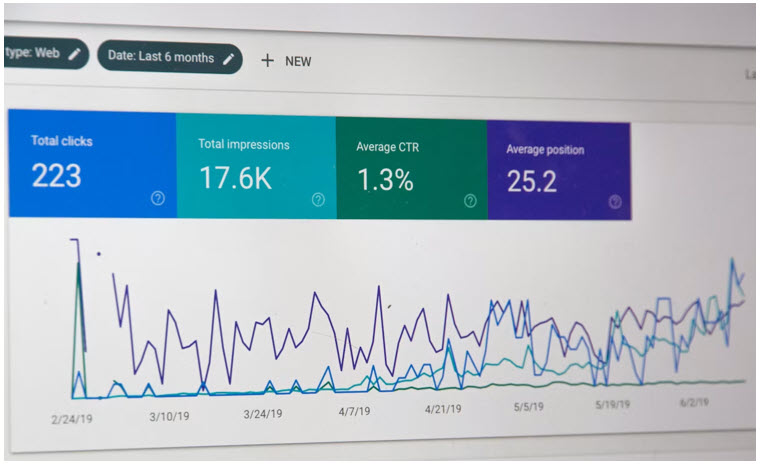
Gray SEO promotion sits in the middle between white and black. The goal is to speed up website promotion while walking a fine line without triggering search engine sanctions. Methods include:
● keyword stuffing at the edge of acceptable density (4–5%);
● rewriting other people's materials;
● purchasing links on permanent link exchanges and authoritative websites;
● guest posts on thematic resources to acquire quality backlinks;
● reciprocal link exchanges with related sites;
● purchasing links on social networks.
Such techniques are not prohibited but cannot be called correct. Their consequences include: risk of search engine filters, traffic stagnation or decline, and falling sales. Tactics that guarantee results today may lead to sanctions tomorrow.
Viral Marketing
Viral marketing is a technique for creating content that spreads rapidly online. The brand's presence in such messages is barely noticeable, so the audience does not get the impression of watching advertising. Viral content can be a slogan, video, song, hashtag, or meme. The brand's role consists only of launching the campaign and monitoring its effectiveness, while distribution happens through word of mouth at no additional cost.
Despite the advantages, risks are real: content may carry hidden meanings interpreted differently by social groups, humor may backfire, and the scale of virality is nearly impossible to predict in advance.
Risks and Consequences
Gray PR works only in the short term. If gray mechanics are exposed, the brand may suffer competitor backlash and lose the trust of media and customers. There is a very thin line between black and gray techniques. A business development strategy must be safe, and competition must be fair.
How to Fight Gray Marketing
- Monitor your brand. Track mentions in media and social networks using Google Alerts, Brand Analytics, or Mention.
- Respond to negativity promptly. The faster a company provides a fact-based rebuttal, the sooner the news stops spreading. An honest statement helps strengthen audience trust.
- Communicate regularly. Publish expert content on social networks, share achievements, and demonstrate care for customer opinions. So there is an established foundation of credibility to stand on when negativity appears.
