The Cover Letter Crisis: Surviving the Era of AI-Generated Job Applications
The modern job hunt is a numbers game. In a hyper-competitive global market, candidates are often told they need to send out hundreds of tailored applications just to land a single interview. Facing this exhausting reality, job seekers have eagerly embraced generative AI. Within seconds, a language model can scan a job description and spit out a perfectly formatted cover letter, a polished LinkedIn bio, and a customized resume summary.
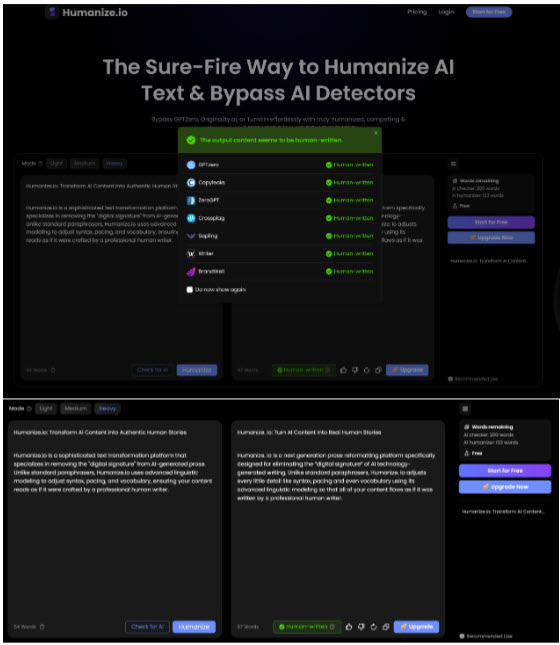
However, this widespread automation has created a severe unintended consequence on the other side of the hiring desk. Recruiters and hiring managers are currently suffering from massive "AI fatigue." When every single cover letter features a candidate eager to "delve into new opportunities," possessing a "rich tapestry of skills," and concluding with "I am a dynamic professional," the hiring process loses its most critical element: the assessment of human personality. To break through this wall of synthetic perfection and actually secure interviews, savvy job seekers are adding a crucial new step to their application workflow by utilizing the best humanize ai to restore authentic warmth and individuality to their drafts.
The Death of the "Culture Fit"
When a company hires an employee, they are not just buying a list of hard skills; they are bringing a human being into their daily ecosystem. Hiring managers read cover letters and introductory emails to assess soft skills, emotional intelligence, and "culture fit." They are subconsciously looking for a spark of genuine enthusiasm, a unique communication style, or a relatable anecdote.
Generative AI is entirely incapable of demonstrating a culture fit. Because it relies on statistical averages, it defaults to the most corporate, sterile, and cliché phrasing imaginable. When a recruiter reads an AI-generated application, their brain immediately registers the lack of a human voice. The candidate doesn't sound like a passionate professional ready to solve problems; they sound like an automated customer service chatbot. In an inbox flooded with hundreds of identical, mathematically perfect applications, the ones that read like they were written by a machine are the first to be discarded.
The Job Seeker’s Secret Weapon
This leaves the modern candidate in a difficult paradox: you need the speed of AI to handle the sheer volume of applications required today, but you need authentic human warmth to actually win over the hiring manager. You cannot afford to spend two hours writing every cover letter from scratch, but you also cannot afford to send out robotic spam.
To solve this, proactive professionals are turning to an text humanizer ai before they hit "submit." This technology serves as a digital career coach for your written materials. It takes the rigid, encyclopedic output of a standard language model and purposefully breaks down the unnatural phrasing. It replaces overly formal corporate jargon with confident, conversational language that sounds like an actual human being speaking in a job interview. By varying the sentence structure—mixing concise, punchy statements with more detailed explanations—it removes the "machine accent" that alerts recruiters to low-effort applications.
Translating Skills into Authentic Stories
In the context of career development, humanizing your text is not about tricking an applicant tracking system (ATS); it is about respecting the human being who will eventually read your file.
When you humanize AI content, you are essentially transforming a static list of qualifications into a compelling professional narrative. Instead of a robotic summary stating, "It is crucial to note that I successfully managed cross-functional teams," the text is restructured to flow naturally, perhaps reading, "I learned the value of real teamwork while leading cross-functional projects." This subtle shift in syntax changes the entire psychological impact of the document. It allows the candidate's actual personality to shine through the necessary professional formatting, creating an immediate, parasocial connection with the recruiter before the interview has even been scheduled.
Securing the Human Interview
In the era of automated hiring algorithms and machine-written applications, the most valuable differentiator a candidate can possess is undeniable humanity. While AI is a fantastic research assistant for gathering keywords and structuring your resume, it should never be the final voice representing your career.
To stand out in today’s saturated talent pool, your communication must be fluid, authentic, and engaging. By integrating specialized refinement platforms like humanize.io into your application routine, you ensure that your cover letters, networking emails, and portfolio descriptions resonate on a human level. You get to keep the incredible efficiency of artificial intelligence, while ensuring the hiring manager sees the real, dynamic professional waiting to join their team..
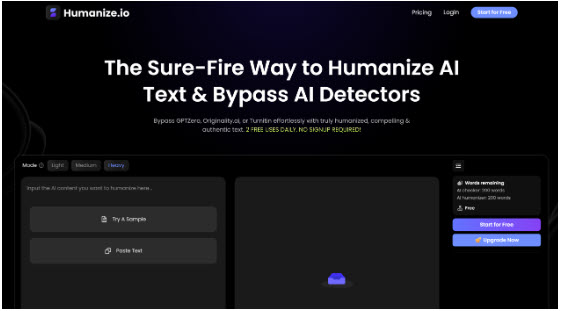
Step 1: Paste your AI-generated draft into the interface.
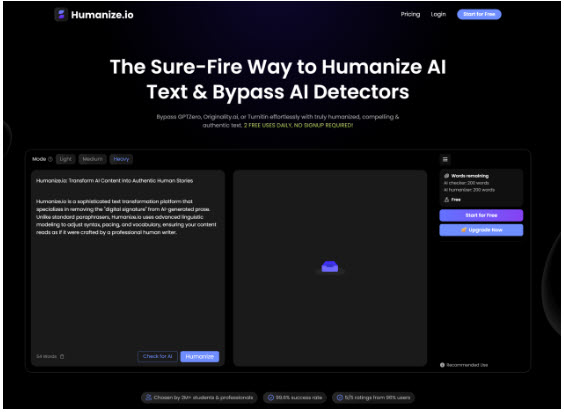
Step 2: Select the "Humanize" mode to trigger the advanced linguistic engine.
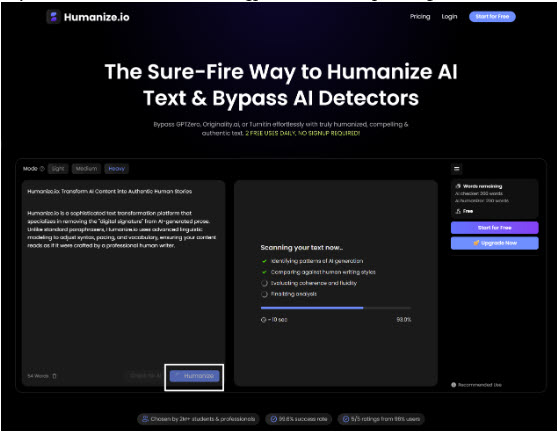
Step 3: Review the output. You’ll notice the "robotic" patterns are gone, replaced by a more natural, engaging tone that preserves your original intent.