
SEO Alerts vs Manual Monitoring for Ranking Changes: Which One Actually Works Better?
If you have ever opened your rank tracker and discovered your biggest keyword dropped 15 positions overnight, you already know that ranking changes rarely happen at convenient times. Google updates its algorithms. Competitors improve their content. Technical issues appear without warning. Sometimes rankings change for no obvious reason. The trick is to notice these changes quickly enough to do something about it.
This is where the debate between SEO alerts and manual monitoring begins. Some marketers prefer checking rankings themselves every morning with a cup of coffee. Others rely almost entirely on automated notifications that alert them whenever something important happens. So, which approach is better? Well, both have advantages. Let’s dig deeper so that you can build a monitoring process that catches problems early without wasting hours every week.
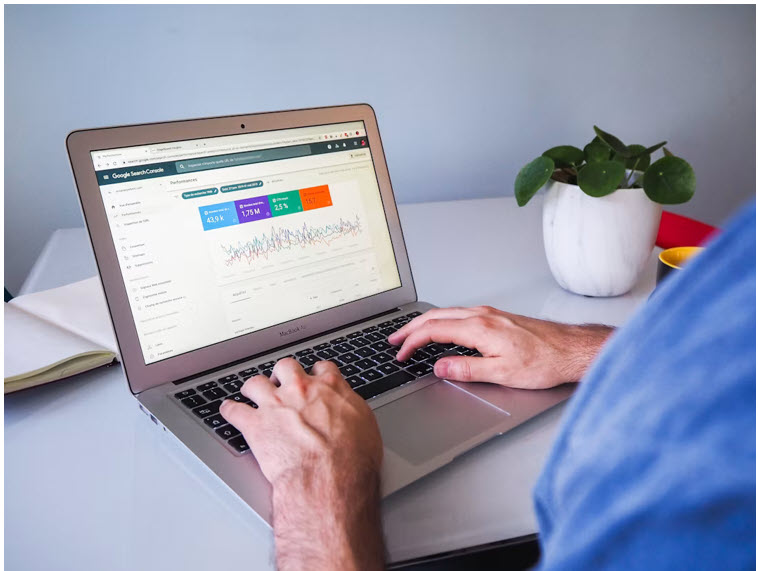
Manual Ranking Monitoring — What Is It?
Manual monitoring is, as the name suggests. You regularly check keyword positions yourself using SEO software, Google Search Console, or other reporting tools. Many SEO professionals develop the following routines:
● Reviewing priority keywords every morning
● Comparing weekly ranking reports
● Looking for changes after publishing new content
● Monitoring competitor movements
● Checking out rankings after Google algorithm changes
Manual reviews allow you to have full control over what you'll review. You don't just need to note that a keyword has shifted from rank #4 to rank #7; you can explore other metrics around it. This can be impressions, click-through rates, competing pages, SERP features, and traffic trends. This wider picture sometimes helps to explain the reasons for ranking shifts.
Manual Ranking Monitoring — Benefits
One major advantage is context. Automated alerts might tell you that five keywords dropped positions. However, they will not always explain whether those movements are part of a larger trend or just temporary fluctuations. During a manual review, you naturally notice the following patterns:
● Several pages declining within one topic cluster
● Rankings improving after recent optimizations
● Seasonal keyword movement
● Competitors gaining featured snippets
● Changes in search intent
Manual reviews also encourage strategic thinking. Instead of reacting to every small movement, you spend time understanding overall SEO performance. For experienced SEO specialists, this bigger-picture perspective is incredibly valuable.
Manual Ranking Monitoring — Downsides
The biggest drawback is time. A small website might track a few dozen keywords. A medium-sized business often monitors hundreds. Large ecommerce websites may follow tens of thousands. Checking those manually becomes unrealistic very quickly. There is also the risk of missing sudden problems. Imagine:
● A robots.txt error blocks Google.
● Important pages accidentally become nonindexed.
● A server outage affects crawling.
● A migration breaks internal links.
If you are only reviewing rankings once a week, the issue could stay unnoticed for several days. In SEO, every day matters.
SEO Alerts — What Is It?
SEO alerts streamline the monitoring process. You only log in to dashboards at specific times and are notified when events are triggered based on the criteria you've set. These are some of the common alerts:
● Significant ranking drops
● New words that have appeared on the top 10 list.
● Lost featured snippets
● Indexing problems
● Technical crawl issues
● Traffic anomalies
● Competitor ranking changes
● Changes in backlinks.
Today's SEO platforms can set the thresholds on how often they will show up when something important is changing. For instance, when a keyword jumps a single spot in the rankings, you may not be alerted, because you've only moved up or down by five places or fewer.
Why Automated Alerts Save Time
Automation eliminates repetitive tasks. The SEO alerts ranking software does not have to search for issues; it marks them right away. This can be especially helpful for agencies that have dozens of client sites or businesses that are based in multiple countries. Rather than looking at all the keywords on a daily basis, SEO teams can concentrate on only issues that need to be addressed.
Many professionals rely on SEO alert software to track rankings 24 hours a day while they work on developing content, optimizing the site, and strategy rather than on repetitive reporting. Alerts also deliver much quicker reaction times. Notices might come in within hours, not days, when rankings plummet after a website deployment. That speed can significantly reduce the impact of technical mistakes.
SEO Alerts — Limitations
Automation doesn't always get things right. One common problem is alert fatigue. If you have your settings too sensitive, you'll find that your inbox gets filled with so many notifications about minor fluctuations in ranking you can't keep up. Google's rankings are constantly changing. When people get notifications for all minor movements, they end up tuning them out completely.
There is no context on the alerts. A drop in position from 5 to 8 for a keyword doesn't necessarily mean that a competitor's content got worse. It does not indicate if search intent has changed, or whether a drop in traffic has occurred. Alerts give symptoms, not diagnoses.
Why the Best SEO Teams Combine Both Methods
The most effective SEO workflows rarely rely on only one approach. Instead, they combine automated monitoring with scheduled manual reviews. Alerts act as the early warning system. Manual reviews provide analysis and strategic decision-making. For example:
Daily
● Receive automated notifications about significant ranking changes.
● Investigate only meaningful alerts.
Weekly
● Review overall keyword trends.
● Analyze competitors.
● Examine traffic changes.
● Look for emerging opportunities.
Monthly
● Evaluate long-term SEO performance.
● Review content strategy.
● Adjust keyword priorities.
● Identify pages needing optimization.
This combination minimizes unnecessary work. At the same time, it ensures that nothing important slips through unnoticed.
Make the Right Decision
SEO is constantly changing. Ranking positions, therefore, can change for technical, competitive, or algorithmic reasons with minimal warning. Manual monitoring is beneficial. It allows you to grasp the broader context, recognize trends, and make intelligent optimization choices. At the same time, automated SEO alerts can be helpful at catching issues quickly and reducing the amount of routine checking required.
The best approach is to allow automation to keep an eye on your rankings 24/7, and then manually review them for further analysis and planning. That balance saves time, minimizes opportunities to overlook important issues, and enables faster responses when they really count.
