
Red Rose Symbolism: What Does a Red Rose Mean in the Language of Flowers?
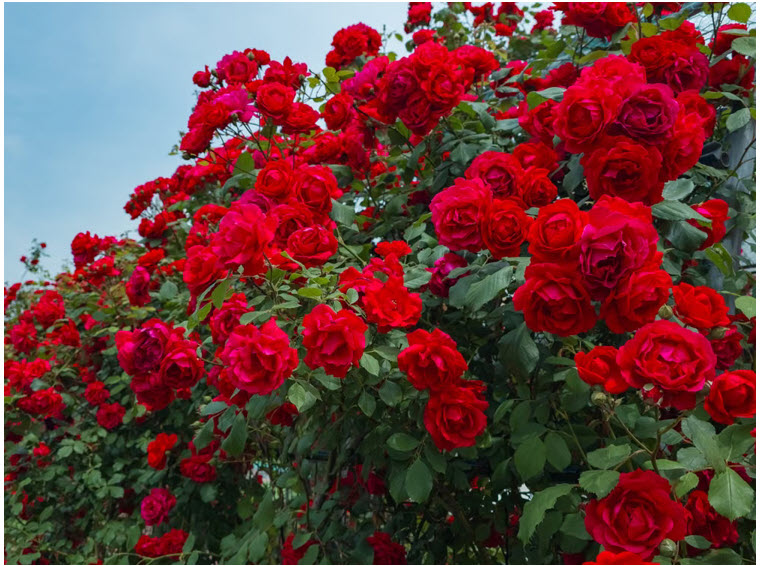
Few natural icons carry as much instantly recognizable emotional weight as the simple red rose. Across centuries, civilizations, and artistic movements, this singular bloom has stood as the ultimate physical token of affection, respect, and deep emotional devotion. When someone hands you a crimson stem, you do not need a dictionary to understand the core message - it speaks directly to the human heart. Yet, behind its striking physical appearance lies a rich history of cultural folklore, religious art, and romantic traditions that give this iconic blossom its legendary status.
Unpacking the multi-layered world of red rose symbolism helps us appreciate why this bloom remains unmatched in modern culture. Whether you are selecting a romantic bouquet for an anniversary, studying historical art, or exploring ancient myths, understanding the broader context of flower symbolism reveals how one stem can express complex human feelings. Here is your definitive guide to discovering the deep cultural heritage, historical evolution, and timeless emotional significance behind this legendary bloom.
What Does a Red Rose Mean? Core Symbolism of Love and Passion
When people ask, "What does a red rose mean in everyday life?", the immediate answer is romantic love. However, the emotional spectrum this blossom represents extends far beyond casual romance. A vibrant red rose embodies intense passion, undeniable attraction, personal courage, respect, and unconditional devotion. It is the ultimate visual proclamation that someone occupies a unique, permanent place in your heart.
Understanding the core emotional meanings behind this iconic bloom helps explain why it remains the top gift choice for Valentine's Day, weddings, and major romantic milestones worldwide.
● Passionate Romance: Giving a single, deep crimson stem clearly answers the question, "What does a red rose mean?" It declares intense romantic desire and unwavering commitment to a partner.
● Respect and Admiration: Beyond romantic attraction, presenting a dark crimson bloom signals deep respect, honoring a person's exceptional character, talent, or lifelong achievements.
● Courage and Bravery: In classical literature and folklore, the petal's bold color represents personal courage, sacrifice, and standing firm in the face of adversity.
● Sincere Commitment: A bouquet of fully opened blooms conveys long-term devotion, signifying a mature connection that grows stronger over time.
● Purity of Intentions: When offered with pure motives, a single stem highlights transparency, emotional honesty, and genuine warmth without hidden motives.
These foundational meanings form the emotional backbone that makes the crimson bloom a universal symbol across human languages.
Red Rose Symbolism in Greek and Roman Mythology
To trace the historical roots of red rose symbolism, we must go back thousands of years to the legends of ancient Greece and Rome. Classical mythology tied the blossom's origin to the goddesses of love, beauty, and desire. According to popular Greek myths, the crimson bloom was born of divine passion, heartbreak, and sacrifice involving Aphrodite and her mortal lover, Adonis.
Ancient storytellers used these dramatic myths to explain how a once-white blossom gained its signature vibrant hue, linking the flower permanently to eternal romantic devotion.
● Aphrodite's Tears: Legend says that when Adonis was fatally wounded, Aphrodite rushed to his side, pricking her feet on white thorns; her divine blood stained the white petals crimson forever.
● Venus and Roman Culture: In Roman lore, the goddess Venus adopted the bloom as her personal emblem, using its intoxicating fragrance to represent divine beauty and alluring romance.
● Secrecy and Harpocrates: Cupid gave a rose to Harpocrates, the god of silence, to keep Venus's secret affairs hidden, giving rise to the Latin phrase sub rosa (under the rose) to denote total confidentiality.
● Festive Ceremonies: Romans sprinkled fresh crimson petals across banquet halls and woven garlands to celebrate luxurious feasts, victories, and romantic unions.
● Mythological Memory: Classical poets frequently used flower symbolism involving crimson petals to represent both fleeting earthly passion and the immortal strength of true love.
If you want to explore fresh floral varieties or design your own romantic arrangements, visit the roses website for details and creative botanical inspiration.
Flower Symbolism: The Red Rose in Christian Tradition and Heraldry
As European culture shifted from ancient mythology into the Middle Ages, the traditional meaning attached to flowers changed dramatically. Christian scholars and medieval artists adopted traditional flower symbolism to represent spiritual devotion, martyrdom, and divine purity. The dramatic contrast between soft, delicate petals and sharp, protective thorns provided a powerful metaphor for spiritual strength and physical sacrifice.
At the same time, European nobility incorporated the bloom into coats of arms, royal seals, and military heraldry to project power, honor, and dynastic unity.
● The Mystic Rose: In medieval Christian art, the term "Mystic Rose" was given to Mary, symbolizing divine grace, spiritual purity, and motherly love.
● Martyrdom and Sacrifice: The vibrant hue of the red rose came to symbolize martyrs' blood, representing profound sacrifice, unwavering faith, and spiritual triumph over suffering.
● The War of the Roses: During the 15th century, the English House of Lancaster adopted the crimson bloom as its heraldic crest in a famous dynastic battle against the House of York's white emblem.
● The Tudor Emblem: Following the conflict, King Henry VII merged both emblems to create the famous Tudor Rose, symbolizing peace, national unity, and royal harmony.
● Architectural Rose Windows: Medieval Gothic cathedrals featured massive circular stained-glass "rose windows" designed to reflect heavenly light and divine perfection down onto worshipers.
This medieval blending of spiritual devotion and royal heraldry elevated the blossom into an enduring symbol of prestige, sacrifice, and lasting honor.
Meaning of Red Roses in Victorian Floriography
During the 19th-century Victorian era, the formal art of secret botanical communication known as Floriography reached its absolute peak. Strict social etiquette prohibited men and women from openly expressing intense romantic feelings or emotional desires. Consequently, people turned to the complex meaning of red roses and other floral arrangements to send coded messages without speaking a word in public.
Victorian floral dictionaries meticulously defined how stem counts, petal shades, and delivery methods altered the emotional message delivered to a recipient.
● Shades of Crimson: Bright scarlet petals signaled playful romantic attraction, whereas dark burgundy blooms conveyed solemn, understated admiration and secret longing.
● The Single Stem Proclamation: Delivering a single stem offered an unequivocal answer to what a red rose symbolizes, declaring instant love at first sight.
● Bouquet Count Coded Messages: A bouquet of twelve stems represented a formal proposal of devotion, whereas a massive cluster of fifty stems declared endless, unconditional passion.
● Thorns and Leaves Detail: Receiving a bloom with its thorns intact warned of upcoming romantic obstacles, while removing all thorns signaled complete safety and trust.
● Presentation Orientation: Presenting a flower with the right hand answered a romantic query affirmatively, while delivering it upside down completely reversed the traditional meaning of red roses.
Mastering these Victorian subtleties allowed suitors to navigate complex social boundaries while expressing authentic personal devotion.
What Does Red Rose Symbolize in Modern Culture?
In our contemporary world, understanding what a red rose symbolizes extends beyond personal relationships into global art, pop culture, media, and social movements. While it remains the undisputed global benchmark for romantic gifting, it also serves as a universal shortcut for dramatic storytelling, artistic passion, and human solidarity.
From modern cinema and romantic literature to international holiday celebrations, the crimson bloom continues to capture human imagination like no other plant.
● Global Holiday Tradition: On Valentine's Day and major wedding anniversaries, millions of people choose a classic red rose to celebrate romantic partnerships across cultures.
● Cinematic Storytelling: Filmmakers and authors use the bloom as a powerful visual motif, representing enchantment, time running out, or intense personal transformation.
● Solidarity and Social Movements: International labor organizations and political movements adopt the crimson bloom as a badge representing human dignity, community solidarity, and shared strength.
● Artistic Inspiration: Painters, poets, and musicians continuously reference classical red rose symbolism to contrast fragile, fleeting beauty with enduring emotional truth.
● Universal Gift Standard: Asking what a red rose means today yields a simple truth: it remains the most trusted, universally recognized token of genuine human affection.
From ancient mythic battlefields and Victorian parlors to modern holiday celebrations, this iconic flower's timeless beauty continues to bridge generations, cultures, and hearts worldwide.
