
How Malaysia Performs Against Higher-Ranked Opponents: Data-Driven Breakdown
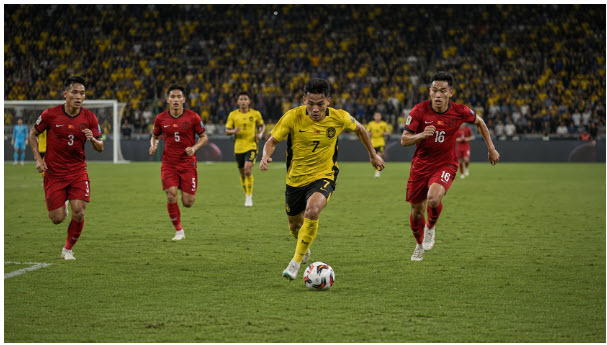
The results against teams ranked higher than Malaysia show a mixed picture. Although Harimau Malaya does not control the game for long periods, they can attack the opposition quickly using transitions, set pieces, and flank attacks. When the opposing team has long periods of possession, Malaya cannot respond.
Malaya’s best results are recorded when they commit to an impenetrable defense and counterattacks, especially when the match is being played at home. The home support also plays an important role in Harimau Malaya’s best results. The supporters analyze the games thoroughly and just as much compare odds, stats and assess injuries and tactics. The supporters actively engage in online betting, which is more of a reflection of the Malaya supporters on the gap between Malaysia and the higher-ranked teams, but the betting also considers that the most critical point in the game is the first goal as after that the momentum of the game changes.
What “Higher-Ranked Opponent” Means For Malaysia
Malaysia goes into matches against Asia’s top teams as the perennial underdog. Their ranking generally indicates that the opponent will have better ball control, a more pressuring style, and will exploit mistakes. But the rankings also tell part of the story. If a higher-ranked team shows up intimidated by the electric atmosphere and solid play of Malaysia, they know they are in for a long night.
One great example of this is Malaysia's grit in the drawing effort against all-star South Korea at the AFC Asian Cup, where they attacked quickly and even though the defense had its flaws, the pressure was with South Korea and the chances were with Malaysia.
The difference was evident in Malaysia's effort in their two 0-2 matches against Oman in the World Cup qualifiers. Though they fought hard, the gap demonstrated in ball control and pace defense in waiting for mistakes was clear as night and day.
The Basic Performance Pattern
A data-led view does not need to depend solely on sophisticated xG models. Even simple indicators demonstrate areas where Malaysia tends to struggle when facing tougher opponents. These areas are territory, shot volume, defensive pressure, transition, and game state.
Simple signs indicate that Malaysia’s best football is when their defense is focused and they’re quick to launch counterattacks down the flanks. To really put more scoring opportunities on the board, they need to take advantage of their set piece plays.
After big matches against more formidable opponents, the discussion spills onto the pitch after the match. Fans stop arguing the final score to watch the match highlights and breakdowns and check player ratings on their phones. In that, post-match browsing shows things like live casino Malaysia, but football remains unbeatable.
Defensive Blocks: Malaysia’s First Test
Against tougher opponents, Malaysia’s defense usually shines. If the back line retreats too soon, the opposing team can easily create an attack right in front of the goal. If too many defenders go too far up without remaining compact, it creates a disconnect between the defense and midfield.
Malaysia’s ideal defense is compact in the center of the field. They allow the offense to create attacks as long as the ball does not go through the center of the field. They remain closest to the center of the field to allow for a quick counterattack. The midfield creates the most problems when it is too stretched out. Opponents can easily create an attack when there is a disconnect between the center-backs and the rest of the team.
It is more beneficial to remain compact as opposed to being too aggressive. Malaysia does not have to defend every single pass. As long as they can compact the center of the field and minimize the space that is available without being too aggressive, they can remain defensively sound.
Transition Attacks: The Main Route Forward
Malaysia's best attacking option against tougher teams is usually a counterattack. Quick passing is a must for a successful counter. A quick first pass after winning the ball is paramount. If it's too slow, the defense gets back and it's a wasted opportunity. Too fast and the ball will probably be lost again. A good first pass is the best chance for the team.
Here, a wide player is key. Fast strikers like Arif Aiman can carry the ball into space, but they need to have teammates around them to be effective. For an effective counterattack, a midfielder or defender needs to close the space quickly to stop the attack from going out of bounds.
Three details of a transition matter:
- the first forward pass after regaining possession;
- support to the winger in two to three seconds;
- a runner entering the box before the defense has a chance to reset.
Stronger teams will have more possession, which will make it difficult for Malaysia to be more dangerous throughout the game. Even though Malaysia may be out-possessed for most of the match, they can be efficient at taking advantage of the few good opportunities they will get.
Set Pieces And Second Balls
When attacking from set pieces, Malaysia has genuine opportunities to level the match. When playing against a superior team, players find it difficult to create chances from open play. This means Malaysia has opportunities from free kicks, corners, and other set pieces. A well-delivered cross challenges the defense to time their actions and display attacking instincts and gives Malaysia an attacking opportunity.
Malaysia is more than just a one-touch threat from a set piece. Set pieces are a two-touch opportunity at least, as players outside the box quickly need to be ready to strike should the first header get cleared. Although teams that Malaysia plays against typically clear the first phase, opportunities are likely to present themselves during the follow-up.
For these reasons, Malaysia needs to understand set pieces as planned opportunities rather than opportunities with no definitive outcome. When playing tough opponents, each of the dead-ball opportunities is a match-changing moment.
What Recent Results Say
Recent reports of Malaysia’s international football performance show that they are more competitive but inconsistent and stronger opponents. The recent draw to South Korea and the losses to Oman show the contrast in Malaysia’s attacking boldness and the difficulties of breaking down a slow ball-controlling opponent. Compared to Vietnam and Thailand, Malaysia’s consistency and intensity match and rival their skills. Keeping, and maintaining, that peak intensity for the length of a full qualification campaign is the biggest struggle.
The recent match draw shows that Malaysian football thrives when matches are fast, open, and full of crowd participation. The team reinforces and implements their attacking play, but it all fades when the opponent plays slow, ball-controlling football, and Malaysia is forced to defend for most of the match.
That doesn’t mean Malaysia’s football should be less aggressive. It proves that courage is always present but is being implemented and needed most in the right areas to create a greater positive impact.
The Bigger Picture
Malaysia’s games against stronger teams aren’t defined by a single result but by patterns that repeat. The team competes well when the defense stays tight, transitions happen quickly, and wide players get support. They struggle when they lose the ball in the middle, pressing gets emotional, and they fall behind early.
For Harimau Malaya, the next step is turning those strong moments into longer spells of control. That means better protection in midfield, calmer build-up play, and sharper choices after winning the ball. The ranking gap won’t close overnight, but it can shrink with better structure.
Malaysia doesn’t have to dominate every stronger opponent to show progress. They need to become tougher to beat, more effective on the break, and more dangerous from set pieces. The data points the way: when Malaysia stays compact and attacks with purpose, they can make higher-ranked teams uncomfortable.
