
Why Localization Matters: Gambling In The Asian Region
Talking about the online experience, it’s hard to offer a on-size-fit-all format suitable for customers worldwide. They expect to view a website in their native language with accents on cultural uniqueness and specific traditions and slangs. E-commerce companies and online gaming operators understand the necessity of localization, especially in the rapidly expanding Asian market. So it becomes a requirement in the highly competitive environment.
To better understand localization in practice check the page where players can find online casinos that available in Singapore at SlotsUp ZH. Incomprehensible to a person from Europe or America, who does not know the language, the content you’ll face can become a real treasure for Chinese-speaking gamblers. And that’s where the main goal hides - to solve the pain points of seekers depending on their location and cultural differences.
This post uncovers why localization is so important in gambling and provides several examples of wide-spread slang across Asian regions.
The Meaning Of Localization in The Digital World
Localization of websites, games, customer support, and content isn’t just about a simple translation into a required language. It’s the process of adapting to a specific region, which requires adjusting interfaces, design, data, considering cultural nuances, slang, and even local trends. In gambling, this might include:
- Adapting currencies and payment methods.
- Translating casino terms correctly, relying on the knowledge of dialects.
- Using relevant cultural references.
- Offering popular games, for instance, such as Sic Bo or Pachinko, for the Asian region.
For the modern digital generation, especially those in Asia where mobile usage is rapidly growing, localized content remains one of the main reasons whether a customer will subscribe or leave a website. For instance, players that speak Chinese find here 50+ free slots that you can play for free. Enjoying favourite games is much more pleasant in native tongue than trying to translate a foreign one.
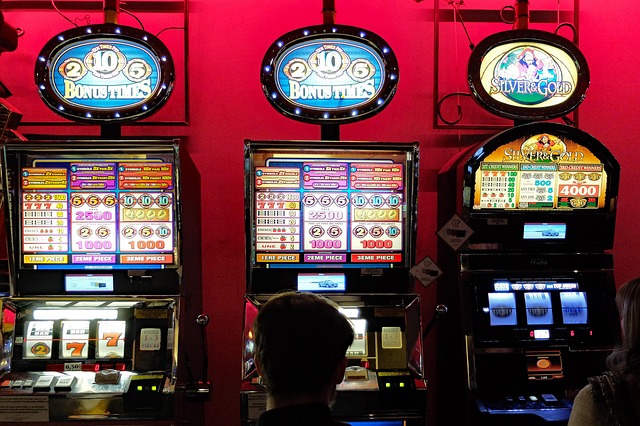
Why Localization Is Especially Crucial In Gambling?
Online gaming is one of the activities which awakens deep emotions in players. It’s associated with anticipation, rituals, and superstitions. So, customers, already worried about the process and its results, should feel more confident facing language familiarities. They need to understand the interface instantly, trust the operator (for a reason, of course) and feel like it was designed with people in mind, not just gaining profit. Let’s consider several reasons why localization is vital.
Customers' Behaviour Associated With Cultural Superstitions
In many Asian countries, colours, numbers, and symbols carry a special sense which is deeply respected by people. For example:
- Number 8 in Chinese culture is associated with wealth. Its pronunciation “ba” sounds pretty much like “fa”, which means make a fortune.
- Numbers 4, 14, and 24 in Cantonese-speaking are avoided, because they sound like “death”, “must die”, and “easy to die”.
- Red is considered lucky in Asian regions as it symbolizes joy, success, celebration, fortune, etc. In medicine, this colour also translates power and strength.
Localized casino platforms know these details; that’s why they incorporate lucky numbers and colours in the website interface, promotions, and bonus offerings to cater to the target audience.
Different Gambling Preferences By Regions
Gamblers from the western side may appreciate poker and blackjack, while in Asia, players enjoy specific games:
- Sic Bo (a dice game that appeared in China).
- Teen Patti (poker with a specific Indian style).
- Pachinko (Japanese gambling games designed for arcade scenarios).
- Baccarat (one of the traditional games popular in Macau).
When localized, these games are featured correctly with the regional terminology, rules and even sound accompaniments.

Regulatory and Language
The gaming platform's tone of voice also depends on the laws and attitudes towards gambling in a particular region. While in some parts the entertainment may still be controversial or fully prohibited (like in South Korea), which is reflected in a respectful and strict content style, in others, gambling is allowed by authorities and is celebrated with a more friendly tone.
Things also get really interesting when it comes to slang in various Asian countries. Lingo here is often untranslatable unless you learn the local dialects and cultural context.
Look at the table below to know how a better understanding of local terms improves clarity, enhances customer satisfaction, and increases a reputation of a brand.
Southeast players often mix English terminology with local one. For example, words like “Jackpot” and “Bonus” are understandable by the majority of players. A lottery game can be named a “Lotto” or “Toto”, or “xổ số” in some provinces of Vietnam.
Does Localization Help Build Trust?
Players which prefer real-money games like to ensure they’ve chosen a reliable casino operator, before they make any investments. The first thing they check when examining a website is region-specific licensing information and available local payment options. For example, Asian players frequently use GCash, Alipay or GrabPay. So, offering these methods is a plus for the majority of gamblers and one of the main criteria for choosing a platform to play online.
Users may also check whether an operator reflects cultural celebration, like Lunar New Year or any other upcoming traditional event, suggesting valuable propositions for clients who share the same vibe.
Often casino owners collaborate with native speakers to make their service more relevant to the audience, add live dealer games or customer support provided in their native tongue. Such sites signal to gamblers that they can trust them.
Online gambling is discovering what brands in all industries should understand and utilize - language is an experience. And it’s not just words, but a set of events businesses should do to become closer to their customer and build lasting relationships.
