
Interactivity: The Word That’s Changed Over the Last Decade
Interactivity (noun) - the extent to which a user can take part in, influence, or shape an online experience. The opposite is passive consumption, where the user simply watches, reads, or listens without affecting what happens.
It’s a word that doesn’t get thrown around that much. Generally, it’s used in marketing, design, and tech circles, but that’s about it. However, strangely, it’s a word with a meaning that keeps changing. What was considered “interactive” a decade ago is much different from what’s considered “interactive” now.
From Click-and-Wait to Real-Time Influence
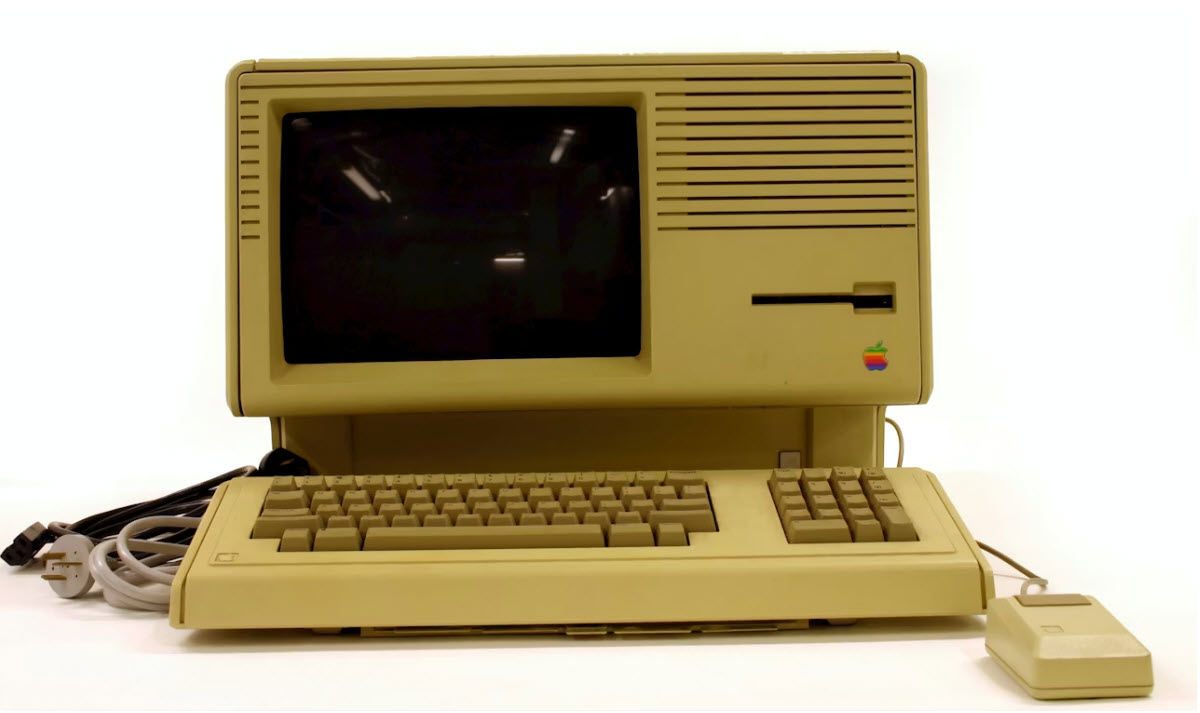
Back a decade or so ago, interactivity used to be click-and-wait. You clicked, waited for the page to load, typed a comment (or performed a different activity), and hit submit. That’s it. The “interactive” part was the comment.
This is no longer “interactive”. This is just standard browsing. Now we have live chat, polls, multiplayer games, and more. Each of these has completely changed how we interact with each other over the internet.
Twitch, for instance, hosts millions of concurrent viewers chatting alongside live streams every day. TikTok Live follows suit. Live video, chats, real-time gifts, and more occur at a rapid rate. Even shopping has gone interactive. Live shopping streams allow viewers to ask questions about products before they place their orders.
Where Interactivity Shows Up Online Today

Modern interactivity now covers a wide range of online formats:
- Live chats and reactions: YouTube, Twitch, and TikTok Live all rely on chat scrolling alongside the main content.
- Polls and live voting: Instagram Stories, Twitter Polls, and live event tools like Mentimeter let the audience shape the direction of the content as it happens.
- Multiplayer games: Any games with this let the user choose the outcome. Every player’s actions affect every other player's experience.
- Real-time entertainment: Online live bingo, for example, has real human hosts calling numbers, players chatting amongst each other via live chat, and so forth.
- Collaboration tools: Google Docs, Figma, Miro, and Notion all let multiple users edit, comment, and react in real time.
- Live shopping and commerce: Live commerce is growing at over 25% per year. It allows a brand to run live streams so potential customers can ask questions about their products in real time.
Why Interactivity Has Become the Default
The reason interactivity has spread so quickly comes down to attention. Passive content has to compete harder than ever to keep users engaged. Interactive content, on the other hand, gives users a reason to stay. It makes them a part of the experience, not just someone observing it.
There’s also the community angle. Modern interactivity isn’t just about a user influencing the content. It’s often about the users influencing each other. Twitch chats build their own running jokes. Live shopping streams develop loyal followings of regulars who recognize each other. Multiplayer games bring people together from around the world.
The internet we experience today isn’t meant to be watched. It’s designed to be participated in. And the word for that is interactivity.
