
Hyperlocalization: The Term Changing How Brands Advertise
Hyperlocalization is a marketing term that has developed from the internet era. While translation simply converts text between languages, hyperlocalization adapts every element of a product. This includes language, currency, cultural references, payment methods, promotional structure, product categories, and more.
What is Hyperlocalization?
Hyperlocalization is extreme specificity. It isn’t just a translated website. It is a localized experience, from start to finish. The entire product or service is designed entirely around one target audience, from dialect to seasonal promotions, payments, and everything else.
Examples of Hyperlocalization
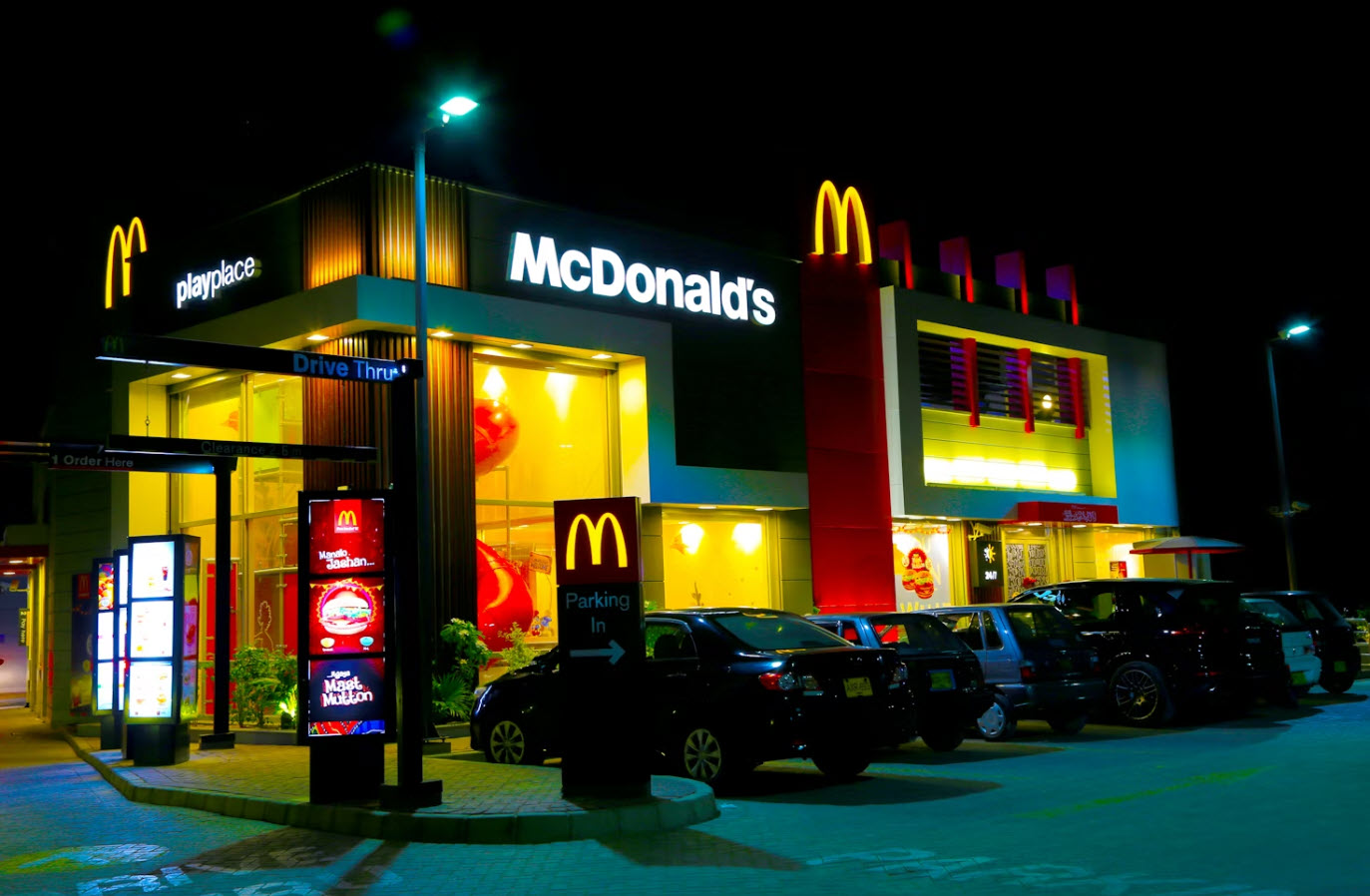
McDonald’s is a classic example of this. Their menu isn’t the same worldwide. In India, the chain sells something called a McAloo Tikki, in Japan, you can order an Ebi Filet-O, and in the Netherlands, a croquette burger. These are all purposely designed products for these specific regions, where this food is looked at as culturally relevant.
Online entertainment platforms apply the same principles. A British casino operating in the UK will provide British-based promotions and games. This could include bonuses like a 100% deposit match up to £100 paired with 100 free spins for new players or games like bingo.
IKEA went through the same process when entering the Indian market. The Swedish brand redesigned furniture to suit the smaller Indian apartments. They also added vegetarian-only sections to their in-store restaurants to cater to certain groups.
As you can see, each of the mentioned examples of hyperlocalization follows a similar approach. They all focus on the most important aspect of business, the customer. They go beyond the basics of language differences and look deeper into cultural shifts. Brands then use this information to connect with consumers on a deeper level.

The Data Behind Hyperlocalization
A study from CSA Research found that 76% of consumers prefer buying products with information in their own language. They also found that nearly 40% of consumers wouldn’t even consider buying from a brand if their website isn’t in their native language at all.
On the business side of this, the global localization market is expected to reach $7.79 billion by 2032. This is an increase of $4 billion and an annual compound growth rate of 7.5%, which is actually faster than most marketing technologies.
Hyperlocalization isn’t easy for brands. Done right, however, it could bring a lot of success. Uber, for example, exited from China in 2016. They were dominated by a local ride-hailing company called Didi Chuxing, which focuses more on Chinese payment systems, networks, and user habits. This, in fact, has made Uber lose billions of revenue from this region.
Looking Ahead in 2026
Hyperlocalization isn’t something that’ll disappear. It’ll only get stronger as the years go by, especially with AI. Brands will be able to use such technology to gain a much better understanding of who they’re marketing to. This will make globalization much easier for ecommerce brands, certainly for those that already have a global supply chain in place.
