
How Online Gaming Has Influenced Modern Internet Culture and Digital Language

Image by Magnific
Online gaming has become one of the most influential forces shaping modern internet culture. What once existed as a relatively niche form of entertainment has evolved into a global digital ecosystem influencing communication styles, online communities, streaming culture, social interaction, and even the language people use every day across the internet.
Many of the phrases, abbreviations, reaction styles, and behavioral patterns now common on social media platforms originally gained popularity inside gaming environments. Multiplayer communities, live-streaming platforms, mobile gaming apps, and interactive online ecosystems helped create entirely new forms of digital communication designed around speed, emotion, humor, and real-time interaction.
As online gaming continues expanding across mobile devices and connected platforms, its impact on internet culture has become impossible to ignore.
Gaming Communities Helped Shape Modern Internet Communication
One of the most significant effects of online gaming involves the evolution of digital communication itself. Multiplayer gaming environments created situations where players needed to exchange information quickly during fast-moving interactions. Over time, this encouraged the widespread use of abbreviations, shorthand expressions, reaction-based messaging, and highly adaptable internet slang.
Terms like “GG,” “AFK,” “noob,” “buff,” “nerf,” “grind,” and “lag” gradually moved beyond gaming spaces into mainstream online culture. Today, many of these expressions appear regularly across social media platforms, workplace chats, meme culture, and digital conversations between people who may not actively play games at all.
Gaming ecosystems also accelerated the popularity of reaction-based communication styles. Emotes, animated reactions, emoji combinations, GIF responses, and short-form commentary became central to how people interact online, particularly within fast-moving digital communities.
Modern entertainment platforms offering casino games, live multiplayer environments, streaming interaction, instant rewards systems, competitive leaderboards, and mobile-first gameplay experiences continue contributing to the broader internet vocabulary shaping digital culture today. As these ecosystems become more socially connected, gaming language increasingly influences how users communicate across entirely different online platforms.
The result is a digital environment where gaming culture and internet culture are now deeply interconnected.
Live Streaming Changed the Way People Interact Online
The rise of game streaming platforms dramatically accelerated the influence of gaming on internet behavior. Livestreaming introduced entirely new forms of audience participation built around real-time reactions, community engagement, and interactive communication.
Unlike traditional entertainment formats, streaming culture encourages viewers to actively participate through chats, emotes, donations, reactions, memes, and instant feedback. This created digital communities where shared language evolves rapidly and spreads across platforms almost immediately.
Streaming personalities often become trendsetters for internet vocabulary and online humor. Phrases originating in gaming streams regularly migrate into TikTok videos, social media captions, Discord servers, YouTube comments, and mainstream digital conversations.
The speed at which internet slang now spreads is heavily connected to the growth of interactive gaming communities and live content ecosystems.
Mobile Gaming Expanded Gaming Culture Beyond Traditional Audiences
Another major shift occurred with the rise of mobile gaming. Gaming was once primarily associated with dedicated consoles or desktop setups, but smartphones dramatically expanded accessibility. Millions of people who never considered themselves “gamers” became active participants in mobile entertainment ecosystems through casual apps, social games, multiplayer experiences, and real-time digital competitions.
This broader accessibility helped gaming terminology enter everyday digital life even more quickly. Mobile users interact with achievement systems, rewards notifications, progression mechanics, streak tracking, and competitive rankings on a regular basis, even outside traditional gaming environments.
Many modern apps now use engagement techniques originally popularized in gaming culture. Loyalty systems, achievement badges, progression bars, unlockable rewards, and daily activity incentives increasingly appear across fitness apps, shopping platforms, educational software, and social media applications.
Gaming design principles have therefore influenced not only language, but also the structure of digital engagement itself.
Memes and Gaming Culture Became Closely Connected
Internet meme culture also owes much of its evolution to gaming communities. Online games frequently generate shared experiences that quickly become jokes, reaction formats, viral screenshots, or recurring internet references.
Competitive matches, unexpected gameplay moments, glitches, reaction clips, and livestream interactions often spread rapidly across social media platforms. Gaming communities became highly efficient at creating and remixing content in ways that encouraged viral participation.
This contributed to the broader internet trend toward short-form, highly visual, reaction-driven communication. Modern meme culture thrives on speed, adaptability, and instantly recognizable references, all qualities heavily reinforced by gaming ecosystems.
Many gaming-originated memes eventually become detached from their original context and enter mainstream online culture entirely.
Online Gaming Encouraged the Growth of Digital Communities
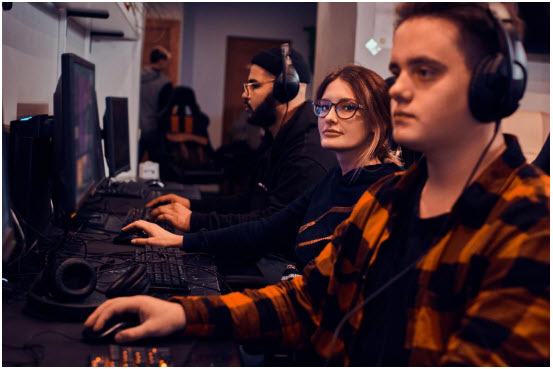
Image by fxquadro on Magnific
Gaming also helped normalize the idea of persistent online communities. Multiplayer titles, voice-chat platforms, online forums, guild systems, and social gaming networks created spaces where users regularly formed long-term digital relationships.
These communities often developed their own communication styles, inside jokes, slang variations, and behavioral norms. Over time, those patterns influenced broader internet culture across platforms far beyond gaming itself.
Discord servers, community chats, multiplayer forums, and livestream comment sections now function as social spaces where internet language evolves continuously. Gaming environments trained large numbers of users to communicate rapidly in highly interactive digital settings, shaping expectations for online interaction across the web.
This influence remains particularly strong among younger audiences who increasingly experience digital culture through community-driven platforms rather than static websites or traditional media.
Digital Identity Became More Flexible Through Gaming
Online gaming also influenced the way people present themselves digitally. Avatars, usernames, virtual customization systems, cosmetic identities, and online personas all became normalized through gaming culture long before similar ideas expanded across social media platforms.
Modern internet users frequently move between multiple digital identities depending on platform, audience, or context. This flexibility partly emerged from gaming environments where anonymity, creativity, and self-expression were central parts of the experience.
Features such as profile badges, customizable icons, collectible cosmetics, and personalized digital spaces helped shape modern expectations surrounding online identity and social interaction.
These ideas now appear across streaming platforms, creator economies, social apps, and broader online communities.
Gaming Continues Influencing Technology Trends
Organizations including MIT Technology Review continue exploring how gaming technologies, interactive media systems, and digital communities influence broader internet behavior and technological innovation. Areas such as virtual economies, live social interaction, digital engagement psychology, and immersive online environments increasingly overlap with mainstream internet development.
Gaming platforms often act as early testing grounds for technologies that later become more widely adopted across digital culture. Voice chat systems, live moderation tools, virtual marketplaces, digital currencies, streaming ecosystems, and interactive engagement models all expanded rapidly within gaming environments before spreading elsewhere online.
As a result, gaming culture frequently operates ahead of broader internet trends rather than simply following them.
The Influence of Gaming Culture Continues Expanding
Online gaming is no longer isolated from mainstream digital life. It now influences how people communicate, consume entertainment, build communities, express identity, and participate in internet culture on a daily basis.
The language of gaming continues shaping social media conversations, digital humor, online interaction styles, and mobile engagement patterns across the internet. New technologies and platforms may continue changing the format of online communication, but gaming culture will likely remain one of the strongest forces influencing how digital communities evolve moving forward.
What began as entertainment has ultimately become one of the defining cultural engines of the modern internet era.
