
GG, AFK, NPC and GOAT: Gamer Slang That Walked Out of the Game Chat
Open a family group chat or a work channel and you will find gamer slang in it. Nobody there is playing anything. Four terms do most of the crossing: GG, AFK, NPC and GOAT. Each started as a quick shortcut inside a game, and each now means something a little different outside it. Here is what they stand for, how they got out, and where people trip over them.
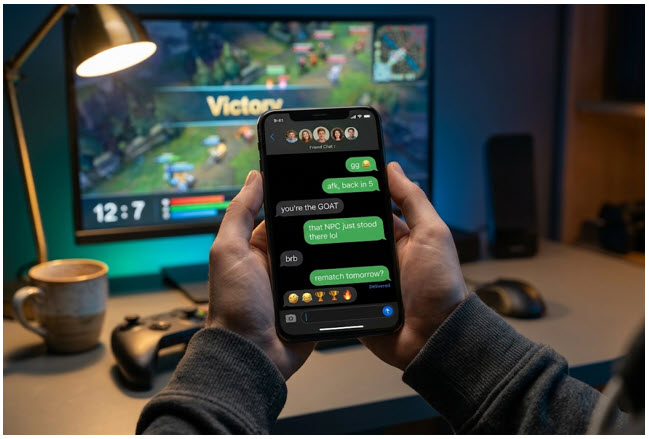
GG: the polite goodbye
GG stands for "good game". Players type it when a match ends, win or lose, as a small sign of respect. GGWP adds "well played". Timing matters. At the end of a match it is friendly. Typed early, it can read as sarcasm or as a surrender, and your teammates will notice.
Outside games it turned into a general "that's over, nicely done". Chess players type it after a blitz game. Friends type it after a night on a new online casino. Fans type it when the final whistle blows on a bad day for their team. The tone depends on the result, so read the room before you send it.
AFK: gone, but coming back
AFK means "away from keyboard". It comes from chat rooms and early online games, where you had to say you had stepped away so nobody thought you were ignoring them. In multiplayer games it is still a real problem. An AFK player leaves their team a person short, and some games penalize it.
At work the meaning is gentler. "AFK for lunch" tells the team you are not ignoring them. BRB, "be right back", does a similar job. People also use "going AFK" for disappearing from social media for a while. Same idea, bigger scale.
NPC: from tabletop rules to insult
NPC stands for "non-player character". The term started in tabletop role-playing games, where the game master plays everyone the players do not. Video games kept it for shopkeepers, guards and quest givers who repeat the same lines every time you walk past.
Online, calling a real person an NPC means they seem to follow a script. They repeat what everyone else says and show no sign of thinking for themselves. In 2023 the word got another life on TikTok, where creators on live streams acted out NPC behavior, repeating short reactions to gifts from viewers. Handle it with care. It is an insult, even when it sounds like a joke.
GOAT: the compliment
GOAT is "greatest of all time". It comes from sports talk, and LL Cool J's 2000 album G.O.A.T. helped spread the acronym. Now anyone can be one. Your friend's lasagna, a barista, a local striker. The goat emoji often shows up next to it.
The fun part is the argument. Nobody agrees on who the GOAT is in any sport, so the word keeps starting debates.
More terms that made the jump
● Noob: a newcomer. Used to tease anyone who is bad at something, and sometimes said with affection.
● Grind: doing the same task again and again to level up. Now it covers long study sessions and gym routines.
● Carry: the player who drags the team to a win. In an office, the colleague who saves the project.
● Tilt: losing your cool after a bad run and then making worse decisions. Gamers borrowed it from poker.
● Rage quit: leaving a game in anger. People use it for leaving a meeting, a job or a group chat.
● Respawn: coming back after being knocked out. Handy for a comeback story.
How to use them without sounding forced
Know who is reading. A gamer friend will get all of them. A boss might not, and a grandparent will ask for a translation. Keep it to one term per message. Piling up three in a sentence sounds like you are trying too hard.
Match the platform too. AFK and BRB fit a work chat fine. NPC and rage quit work better with friends. And if you are not sure how a word lands, look it up first. Slang shifts fast, and a term that was a joke last year can sound dated or rude today.
Gamers invented these words to save keystrokes in the middle of a match. They stuck because they say a lot in a few letters. That is also why they keep spreading.
