The Human Instinct in an Algorithmic World: Can Intuition Still Beat the Machine?
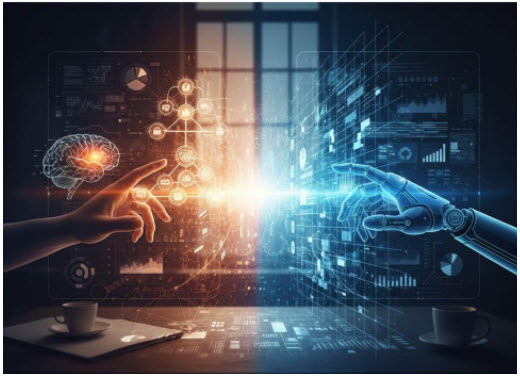
Modern decision-making is no longer a solitary process. Algorithms suggest what to buy, where to invest, and how to manage time based on massive datasets. Yet, despite the precision of silicon logic, a biological tension remains. The "gut feeling" often contradicts a screen's output. We live in an era where machines calculate every move, but the human element stays a wild card, providing context that no code can fully replicate.
The Friction Between Calculation and Feeling
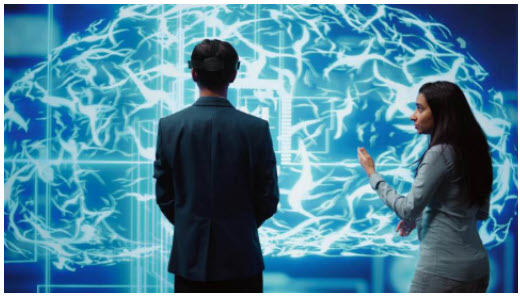
A driver approaches a yellow light. The car’s computer calculates distance, tire friction, and signal timing, suggesting a smooth stop. Yet, the driver sees a distracted face in the rearview mirror and accelerates instead. This is a split-second synthesis of social cues and physical awareness. It is not math; it is a reaction to environment vibrations. While machines process data, humans process context—a messy mix of smells, sounds, and experiences that do not fit into a spreadsheet.
Data analysis thrives where rules are fixed. In entertainment and strategy, modern gaming platforms show how these worlds collide. Users seek a balance between probability and personal tactics. Reliable resources now offer quick access to libraries and statistical reviews, helping people understand mechanics before engaging. For instance, when someone explores the mechanics of a Chicken Road slot or similar interactive games, they aren't just looking at a Return
to Player percentage. They seek a rhythm—a moment where the game feels "right," blending rigid software logic with the fluid timing of human choice. Digital spaces often mimic this fluidity through sophisticated interfaces and real-time updates. This creates a specific user experience: The Physicality of Choice The hand hovers over the mouse. The plastic is cool. In the background, a fan hums—a reminder of the hardware working to keep up with human curiosity. Every digital interaction starts with a physical sensation. When a trader sells stock or a gamer chooses a path, the decision often triggers a tightening in the chest or a slight sweat on the palms. Algorithms do not feel stress. They do not know the heaviness of a high-stakes moment; they only know the delta between numbers. Decision-making in high-pressure environments relies on "thin-slicing"—finding patterns in a fraction of a second. Experts describe this as a sudden flash of clarity. These moments result from the brain acting as a high-speed processor taking in thousands of non digital inputs simultaneously. Smoke, resistance, or a wavering voice—these are data points machines struggle to quantify. The machine is a specialist knowing the "what," while the human is a generalist understanding the "why." The Illusion of Perfect Data There is a belief that more data leads to better decisions. If a person knows everything about weather, traffic, and the economy, they should predict the future. However, this often leads to "analysis paralysis." Screens glow, eyes grow heavy, and the goal vanishes behind charts. Logic is a ladder, but sometimes it leans against the wrong wall. Consider choosing a restaurant. An app shows a 4.8-star rating. But as a person passes the window, they see dim lighting, hear laughter, and smell roasting garlic. They walk in despite a 20- minute wait warning. Sensory input overrides the digital score because humans are wired for connection, not just optimization. Total reliance on digital logic can be misleading for several reasons: The Symbiosis of Man and Model The future is not a battle, but a messy negotiation. The smartest people use machines for heavy calculation while keeping a finger on the pulse of the room. It is like a navigator and a pilot. The navigator provides coordinates, but the pilot feels the turbulence. Imagine a world where every choice is automated—breakfast, routes, and music picked for optimal heart rates. Life becomes a frictionless slide. Но трение — это место, где происходит рост. The wrong turn leads to discovery. The risky move in a game or business deal provides the adrenaline that makes success meaningful. The machine provides the foundation, but the human provides the architecture. The cursor blinks, waiting for input. It is a silent observer of the human struggle. Outside, the world remains chaotic and beautiful in its lack of logic. A machine can count leaves on a tree but cannot feel a crisp autumn breeze. As long as we inhabit a physical world, human instinct remains the ultimate operating system. The machine stays in the box. The human stays in the moment. In that moment, the right choice isn't in a line of code, but in the confidence of a person who knows that sometimes, the numbers simply don't matter.