
9 Gaming Terms Every Newcomer Should Learn Before Joining Online Lobbies
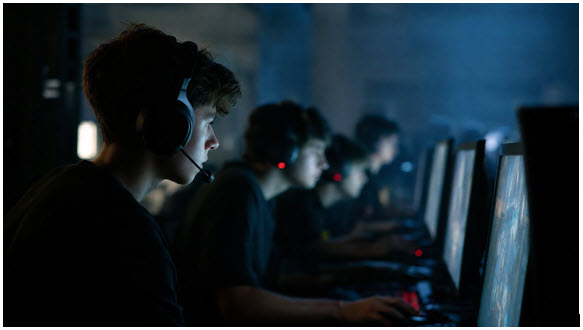
Jump into any ranked lobby cold and the chat looks like a different language. That's because, in a lot of ways, it is. Gaming slang terms have been building up for decades across BBS boards, Discord servers, and Twitch streams.
Newcomers who skip learning the basics often misread callouts, take insults personally, or miss jokes entirely. None of that is fatal, but it slows you down right when you're trying to fit in.
This guide breaks down nine essential terms every beginner should know before queuing up, plus how slang shifts across platforms, regions, and generations.
Key Takeaways
- Learning core gaming slang helps you follow lobby chat and voice comms without confusion.
- Terms like GG, AFK, and noob cross over from Twitch, Discord, and esports casting into everyday play.
- Newer Gen Z terms like ratio and built different are reshaping how younger players talk in lobbies.
- Knowing where slang originates helps you use it in the right context, platform, and tone.
Why Gaming Slang Matters Before You Join Your First Lobby
Multiplayer lobbies move fast. Nobody's pausing to explain what "push" or "rotate" means mid-firefight. If you don't know the gamer slang already, you're a step behind before the round even starts.
How unfamiliar jargon can make or break your first multiplayer experience
Competitive gaming runs on shorthand. Miss a callout and you miss a kill, a flank, or a clutch save. Knowing the terms isn't optional, it's basic survival gear.
GG — The Universal Sign-Off Every Lobby Expects
"GG" means good game, and it's the closest thing gaming has to a universal handshake. Typed at a match's end, it signals respect regardless of who won.
Where 'good game' came from and why typing it matters socially
Skip it and some players read that as disrespect, especially after a loss. Say it even when you got stomped. In esports, casters echo it constantly, reinforcing GG as etiquette, not just text.
Noob — Understanding the Term's Roots and Its Modern Sting
"Noob" traces back to "newbie," which shows up in archived Usenet posts by 1988, describing new internet users who needed guidance rather than mockery.
From 'newbie' to internet shorthand
By the 1990s, hacker and BBS culture spun off "n00b," leetspeak built from substituting numbers for letters, alongside terms like 1337 and h4x0r. Gaming forums picked it up fast.
Why the word carries different weight on Discord versus in-game voice chat
On a friendly Discord server, calling someone a noob might be playful, even instructional. In ranked voice comms, it usually lands as an insult aimed at poor play or a shaky kd ratio.
Players chasing a real edge in shooters sometimes look past slang entirely toward BF6 hacks with aimbot and ESP, though that's a separate conversation from learning lobby etiquette.
AFK — What It Means and Why Lobbies Rely On It
AFK means "away from keyboard." Type it before you vanish mid-match and your squad knows not to expect callouts or a revive anytime soon.
Typing AFK versus using voice comms to signal you've stepped away
In text chat, AFK is a quick courtesy, two keystrokes that buy you grace instead of a report. Over voice comms, players usually just say it out loud mid-round.
Either way, the point's the same: flag it before you disappear. Silent disappearances in multiplayer read as griefing, even when you just had to answer the door.
Meta — Why Every Competitive Lobby Talks About "The Meta"
"Meta" is shorthand for the most effective strategy available right now. It covers weapons, characters, builds, whatever's dominating ranked play this patch.
How meta shifts after balance patches, nerfs, and buffs
Developers tweak numbers constantly. A nerf weakens something overtuned; a buff strengthens something underused. One patch note can flip the meta overnight.
Why knowing the current meta affects loadout choices
Ignore the meta and you're bringing a nerfed loadout to a fight where everyone else adapted. MOBA and shooter communities track these shifts obsessively, patch after patch.
Tilt — Recognizing the Emotional Term That Explains Rage Quits
"Tilt" describes playing worse because frustration's clouding your decisions. One bad fight snowballs into three, and suddenly you're the problem.
Why tilt spreads through voice comms faster than text chat
Tone carries tilt instantly. A frustrated voice in comms spreads faster than typed complaints, dragging the whole squad's mood down. Left unchecked, tilt often ends in a rage quit.
RNG — The Randomness Term That Explains Your Loot Luck
"RNG" stands for random number generator, the invisible dice roll behind loot drops, crit chances, and spawn locations.
How RNG frustration fuels toxic chat in battle royale lobbies
Land with a pistol while someone else finds a fully kitted loadout, and RNG becomes the scapegoat. That frustration fuels a lot of toxic chat in battle royale lobbies, where a bad spawn can decide the match before it starts.
Smurf — Spotting the Term Behind Suspiciously Skilled "Beginners"
A smurf is a veteran player running a fresh or low-level account to stomp on easier lobbies. The name's origin is murky, but the behavior isn't.
Why smurf accounts confuse newcomers judging their own skill level
New players lose badly to a "level 3" with perfect aim and immediately assume they're hopeless. That's often a smurf, not a true beginner. Smurfing skews matchmaking and makes early multiplayer lobbies feel way harder than they should for anyone still learning basic mechanics and positioning.
Clutch — The Term for Lobby Moments Everyone Remembers
A clutch is pulling off an unlikely win when everything's stacked against you: last person alive, low health, no backup. It's the moment that gets replayed.
Why clutch plays define esports casting commentary
Casters lean on "clutch" constantly because it's instantly readable to viewers who don't know the deeper mechanics. In competitive gaming broadcasts, a clutch frag often becomes the headline highlight, repeated across esports recap videos for days afterward.
How Slang Changes by Platform: Twitch Chat vs Discord vs In-Game Voice
Gaming slang doesn't behave the same way twice. It morphs depending on where it's typed, spoken, or spammed as an emote.
Emote-driven slang like POG and Kappa on Twitch
Twitch runs on small images instead of words. Kappa signals sarcasm or wry humor, a wink built into the platform itself. PogChamp started as a 2011 emote tied to a "Pogs Championship" video, and its face became shorthand for shock or an insane play, until Twitch pulled the original image in January 2021 and rotated in a replacement days later.
Why Discord text slang differs from spoken callouts in voice comms
Once "pog" and "poggers" left Twitch, they turned into plain written words on Discord, no image required. Voice comms work differently again: short, functional callouts like "push," "rotate," or "behind" matter more than any streamer slang, because speed wins fights, not personality.
How Gen Z Slang Like Ratio, Mid, and Built Different Entered Gaming Lobbies
Gaming slang doesn't stay in gaming anymore. It leaks into group texts, comment sections, and classroom hallways within weeks.
Why battle royale and streaming culture accelerated these crossover terms
Battle royale titles and their streamers pushed huge, constant audiences into chat at once. That volume turns a niche phrase into a trend overnight, especially when a clutch moment or an insane carry clip gets clipped and reposted.
How this slang now appears on TikTok and in group texts outside gaming
"Mid" now just means mediocre or underwhelming, used on TikTok right next to "ratio" and "built different," far outside any lobby. The crossover shows how gamer slang keeps feeding everyday digital language, not the other way around.
Regional Differences: How UK, US, and Asian Esports Scenes Use Slang Differently
British casters often favor dry understatement, calling a brutal play "not bad" where North American commentary shouts "insane clutch" over the same frag. Tone shifts region to region even when the underlying gaming slang is identical.
Asian esports scenes, especially in MOBA and FPS competitive gaming, often blend English loanwords with local shorthand, so "GG" and "meta" survive translation while newer terms don't always carry over cleanly between regions.
A Quick-Reference Table for Beginner, Intermediate, and Advanced Terms
Scan by skill level before your next match instead of memorizing everything at once.
|
Level |
Terms |
|
Beginner |
GG, AFK, noob, spawn, lag |
|
Intermediate |
meta, nerf, buff, loadout, KD ratio, ping |
|
Advanced |
tilt, RNG, smurf, clutch, carry, cracked |
Final Lobby-Ready Tips for Newcomers Learning Gaming Slang
Don't rage quit over confusion. Listen first, type second, and let context teach you faster than any glossary. Lobbies forgive mistakes, not silence.
Still stuck on a gaming slang term this guide skipped? Ask around in the community forums run by the Battlelog team.
Once the terms click, dominate effortlessly, because winning is just a click away once the jargon stops being a wall.
