
6g Networks to Launch in 2030
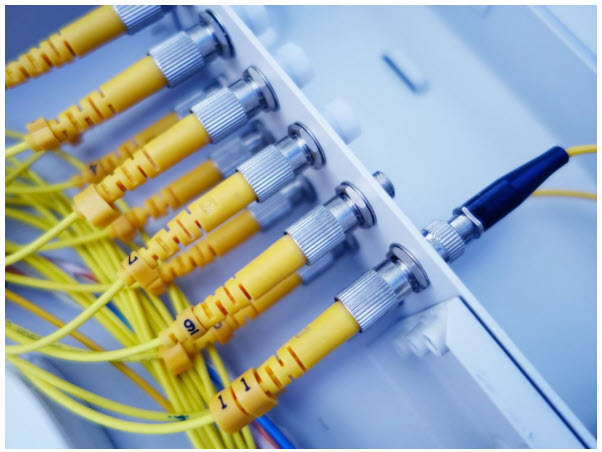
Source: Pexels
5G has improved the way people use high-bandwidth services. It offers low latency, greater capacity, and stable connections. 6G looks to build on that foundation even more.
5G Revolutionized Online Entertainment
5G helped to revolutionize online entertainment. It made it possible to deliver multi-gigabit speeds and cut latency down to 1 millisecond. HD mobile streaming became the norm. 4K streaming wasn’t just limited to those who had a premium internet package.
Lag-free cloud gaming became more accessible. The rollout of 4G and subsequently 5G served as a vital catalyst for the boom in mobile gaming. Developers could invest more in rich experiences that went beyond the basics. In iGaming, slot casino UK titles could also be played on a mobile with the same fluidity as on desktop. This is especially the case for games with lots of animations, like Big Bass Bonanza. People could also access VR content on the go and watch content without having to rely on a stable WiFi connection. Sports fans could use 5G streams to swap camera views or access player stats in real-time.
Even though 5G helped to expand online entertainment, 6G looks to take things one step further. 6G networks are set to revolutionize entertainment by delivering peak speeds up to 1 Tbps. Microsecond-level latency is to be expected, as is native AI integration.
This technological leap will move the media sector into a real-time digital environment. Facilitating holographic telepresence could make it possible to stream life-sized 3D holographic projections for live performances or remote artists. Advanced VR and AR will also eliminate motion sickness with multi-gigabit wireless feeds. This means that entertainment could become more ambitious, blurring the lines between the physical and the digital world as people can experience interactive elements in real-time.
6G Networks for Commercial Use
6G presents an opportunity to create architectural networks with intelligence. There are hopes that it will be AI-native at the point of inception. Worldwide whitepapers are reframing 6G as not just another simpler or faster network. It’s going to evolve as real-world use cases emerge. From a commercial standpoint, differentiated experiences that go beyond static plans will have SLA-backed connectivity.
As the industry looks beyond 6G, success could well be determined by how well a network can be programmed. As pre-commercial data indicates that some 6G networks could launch as early as 2028, exciting times are ahead.
The 3GPP study confirmed that 6G scenarios and the requirements needed to initiate it were 60% complete. Core architectural studies and protocols are underway, and the first 6G release could only be a few years away.
Even though current data indicates that 6G could be arriving sooner than expected, this doesn’t mean that it'll be ready for widespread rollout. For global rollouts to occur, the 6G spectrum needs AI-standalone network architecture to run alongside non-terrestrial satellite integration.
High-value commercial use cases are required, as are energy-efficiency improvements, to ensure that the millions of devices that are connecting to the network can do so. As standalone 6G architecture has to be viable from day one to eliminate 5G dependence and fragmentation, the groundwork has to be done now to ensure a stable, faster, and more reliable future.
